What Is Canyoneering? Understanding the Adventure Before You Go
A canyon route does not always come with a continuous trail. You might walk along a wash, scramble over rock, then reach a drop that requires a rope. That mix of movement is the answer to "what is canyoneering?"
Canyoneering is traveling through a canyon using a combination of hiking, scrambling and, on technical routes, rope skills such as rappelling. Some routes involve swimming or wading; others are dry. The canyon determines the skills and equipment required, so two trips carrying the same label can feel very different.
Before choosing an outing, look beyond the name. Ask what you will actually do, how long you will be committed to the route, and what experience the trip requires.
What Happens on a Canyoneering Route?
Think of canyoneering as a journey through terrain, rather than a single activity repeated all day. The approach, canyon section and exit can each involve different demands.
On one route, walking and easy scrambling may make up most of the day. On another, a sequence of rappels may require technical rope systems. A wet canyon can add cold water, current and swimming. Even the hike out deserves attention: the descent into a canyon is not necessarily the hardest part of returning to the start.
Those differences explain why a dramatic photograph is a poor trip description. A short drop can sit inside a long, remote route. A route with no swimming may still require difficult movement or careful rope work. Read the full itinerary and ask about anything the description leaves unclear.
Canyoneering, Canyoning and Rappelling: What Is the Difference?
Canyoneering and canyoning are often regional names for the same broad activity. Canyoneering is common in the United States; canyoning is common in many other places. Individual operators may use the words differently, especially for wet adventures, so confirm the actual itinerary.
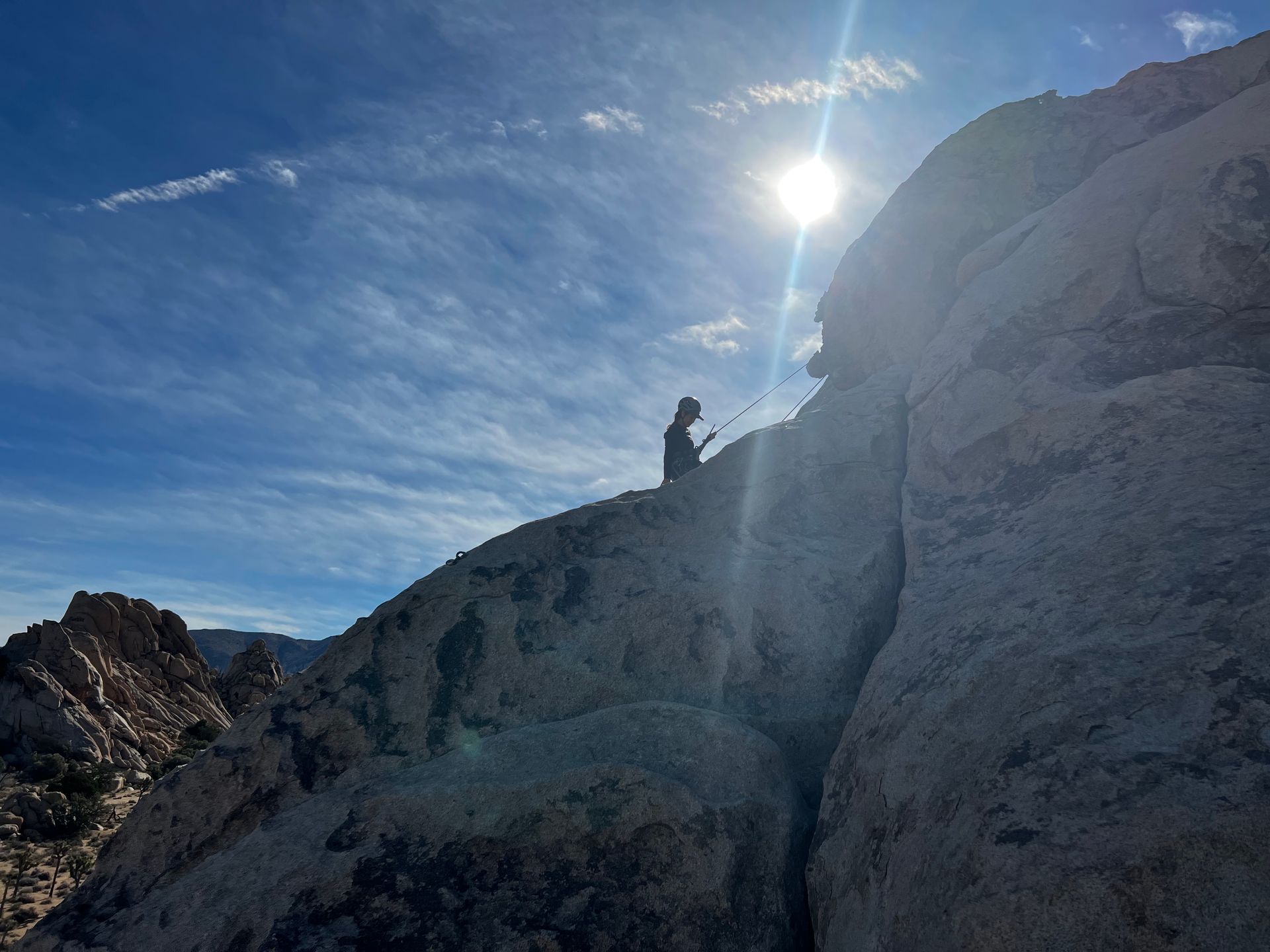
Rappelling is one technique that a technical canyon route may use. It means descending a rope with suitable equipment and training. You can rappel from a cliff without traveling through a canyon at all. Abseiling is another word for rappelling; our rappelling versus abseiling guide explains that terminology.
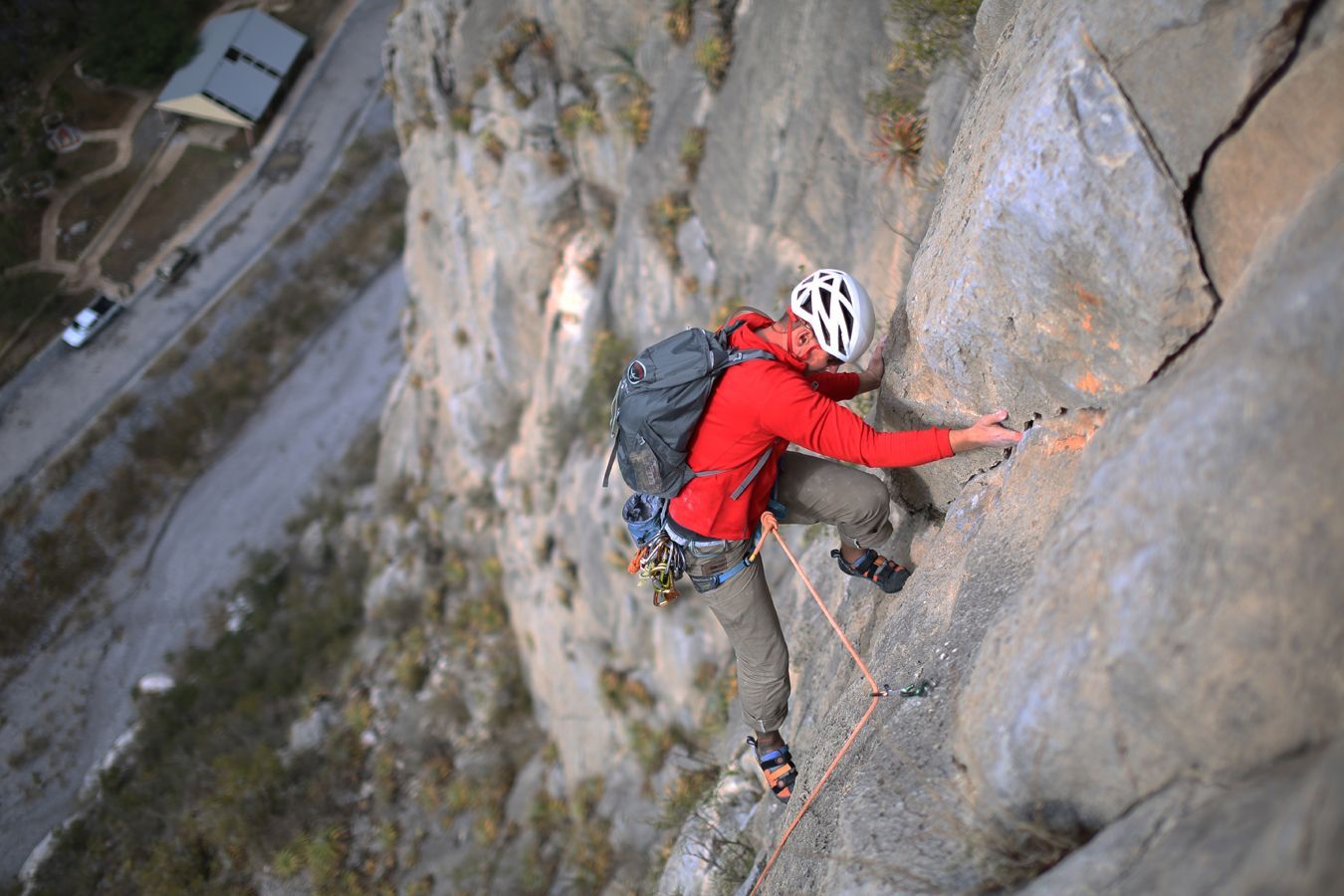
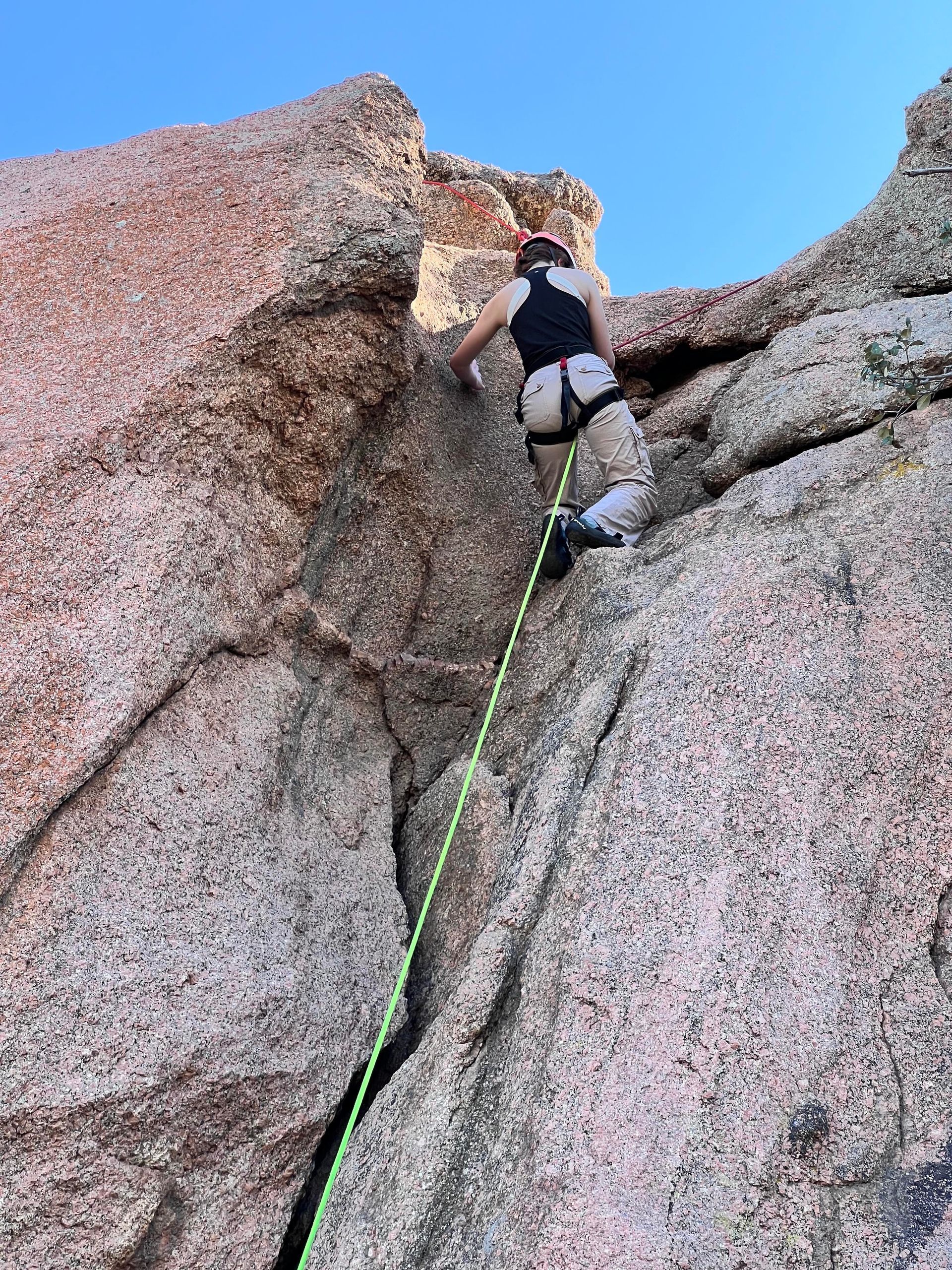
Rock climbing usually focuses on moving up rock. Canyoneering focuses on progressing through the canyon, often downward. A canyon may include climbing or downclimbing moves, but experience in one activity does not automatically cover the other activity's rope systems or environmental decisions.
Wet and Dry Routes Need Different Preparation
Whatever a route is called, ask what it actually involves before you commit to it:
- Dry canyon: Is it currently dry? Could pools or recent weather change the route? What are the rappels and exit like?
- Canyon with wading or swimming: How much water travel is involved? Are swimming ability, thermal protection or specialist equipment required?
- Technical canyon: Which rope skills are required, who manages the systems, and what prior experience must participants have?
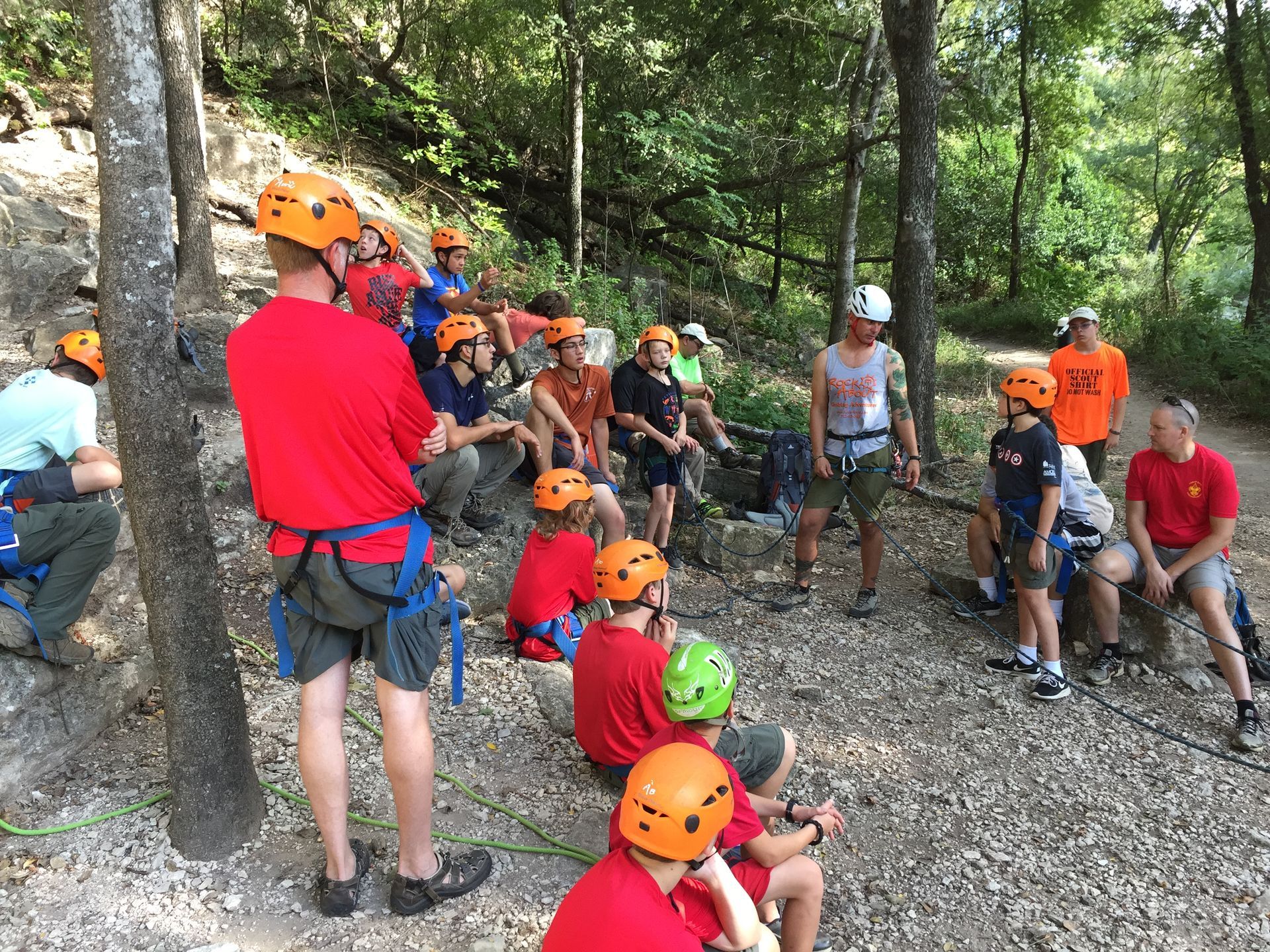
- Guided beginner outing: Which activities are included, what the guide teaches, and what participants still need to be able to do.
Dry does not mean free of water-related hazards. A storm elsewhere in the drainage can affect a canyon even when the sky above you looks clear. The National Park Service's flash-flood guidance explains why conditions beyond the immediate route matter.
For an independent trip, checking the route description once is not enough. Current weather, access restrictions, water conditions and your group's ability all affect the decision to enter. For a guided trip, ask the operator how conditions may change or cancel the plan.
What Equipment Does Canyoneering Use?
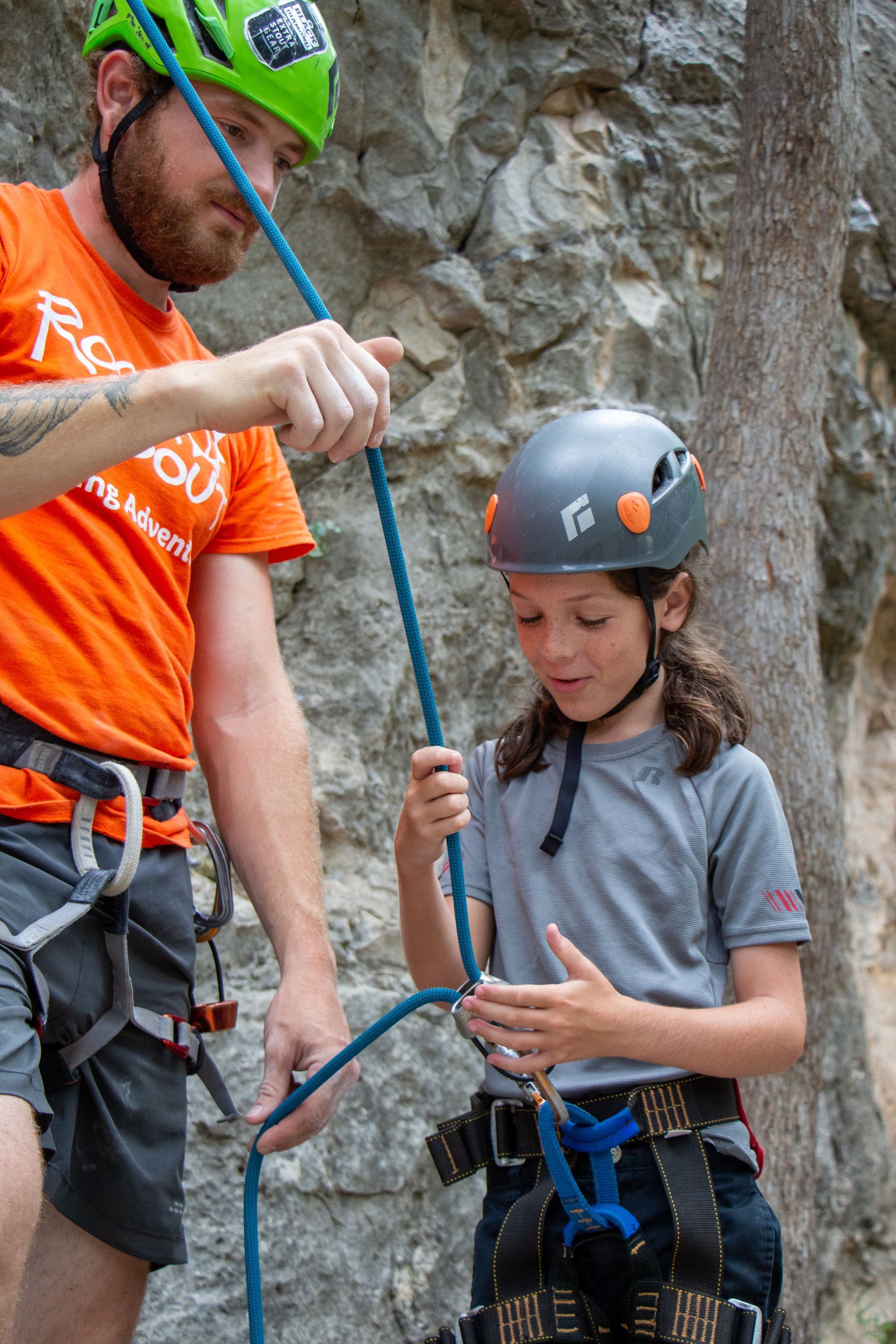
The list depends on the canyon. A technical outing may require helmets, harnesses, ropes, compatible descent equipment and suitable footwear. Wet routes may require thermal protection and ways to protect essential supplies from water. Navigation, food and water, and a plan for problems are also part of preparing for the whole route.
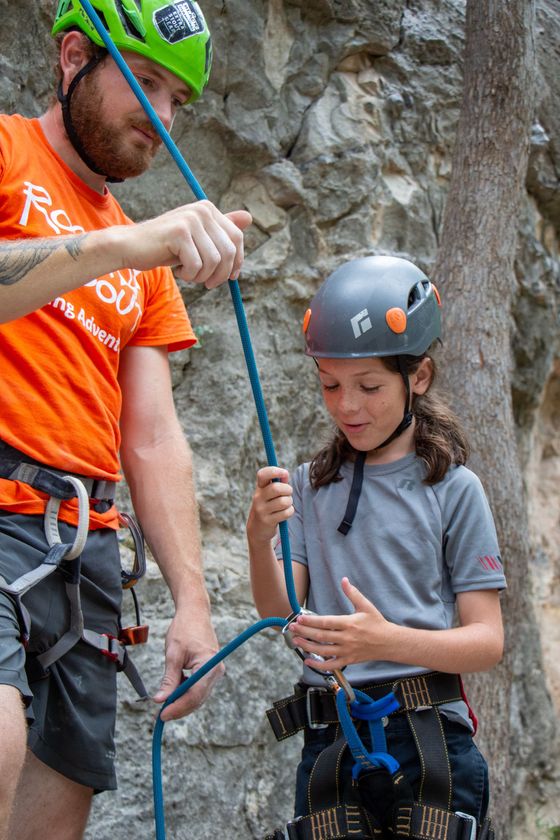
That is why borrowing a friend's climbing kit does not automatically prepare you for a canyon. Equipment needs to suit the route and the techniques being used. Rope selection, anchor assessment and descent systems belong in qualified instruction, not a first-trip shopping checklist.
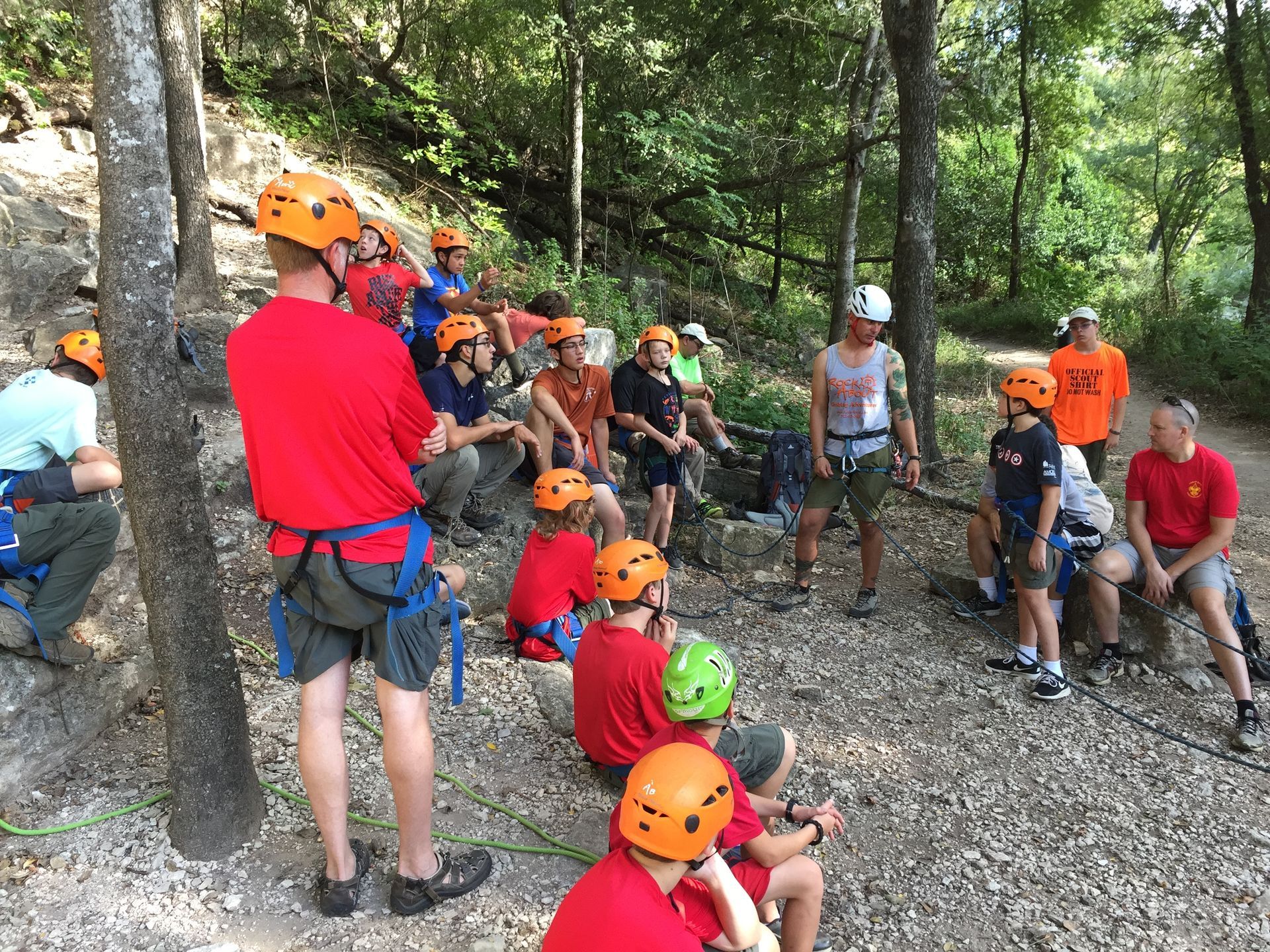
For Rock-About's Canyoneering & Rappelling Adventure, we provide helmets, harnesses, ropes and hardware. Bring comfortable athletic clothing, closed-toe shoes with good traction, drinking water, sunscreen, a hat and snacks.
Can a Beginner Try Canyoneering?
Yes. Beginners can start with a guided introductory outing; more technical canyon routes require additional skills and experience. The hiking, terrain, rappels and any swimming involved tell you much more about the difficulty than the word "canyoneering" alone.
Before booking, explain your comfort with heights, hiking on uneven ground and any water involved. Ask these practical questions:
- Will we hike, scramble, rappel, swim or jump? Which are required?
- What does the approach and return involve?
- Is prior rope experience required, and which skills will be taught?
- What happens if weather or access conditions change?
The National Park Service canyoneering overview explains the range of difficulty, from introductory outings to routes requiring advanced technical skills.
A Rappelling Introduction at Enchanted Rock
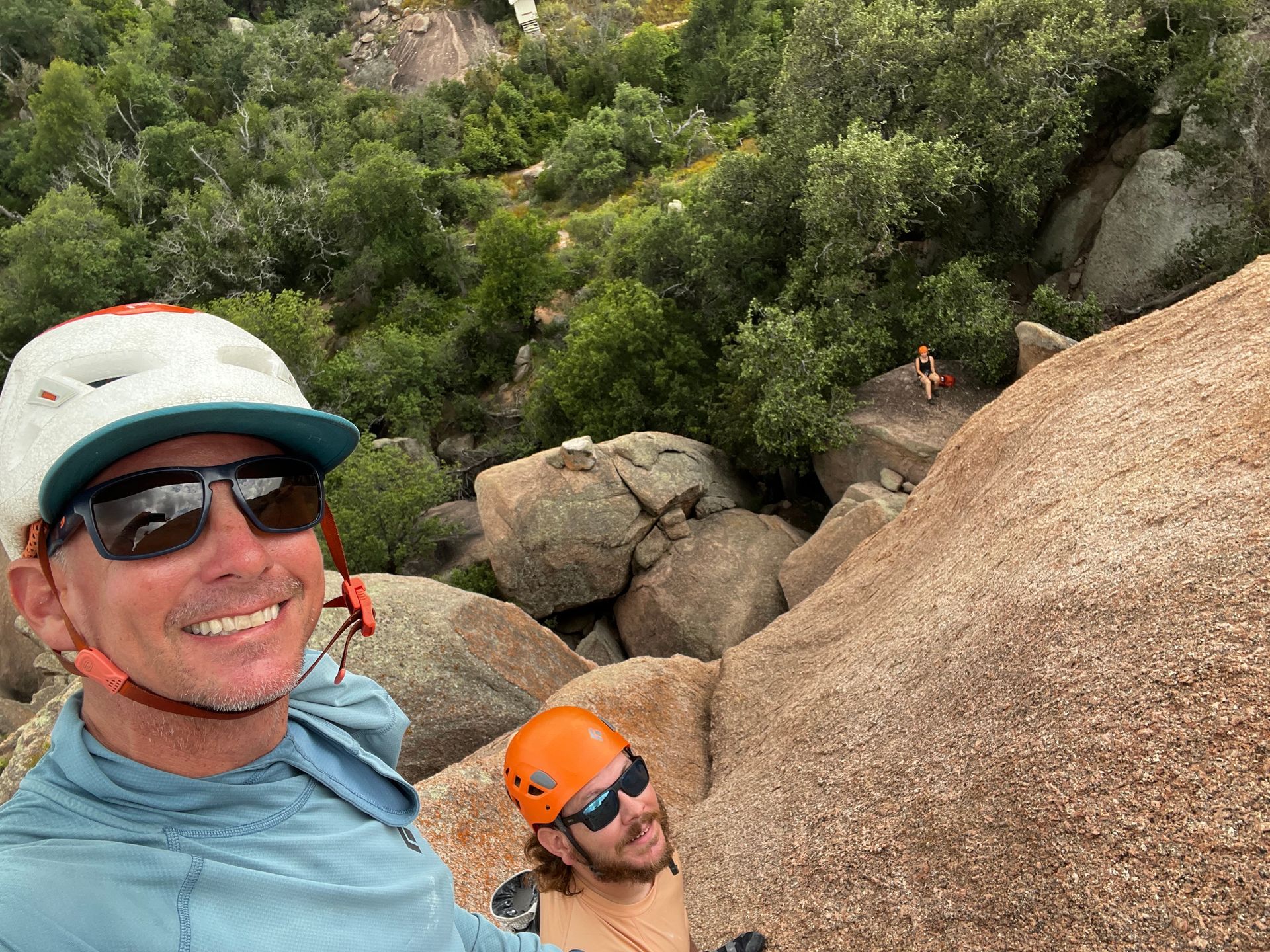
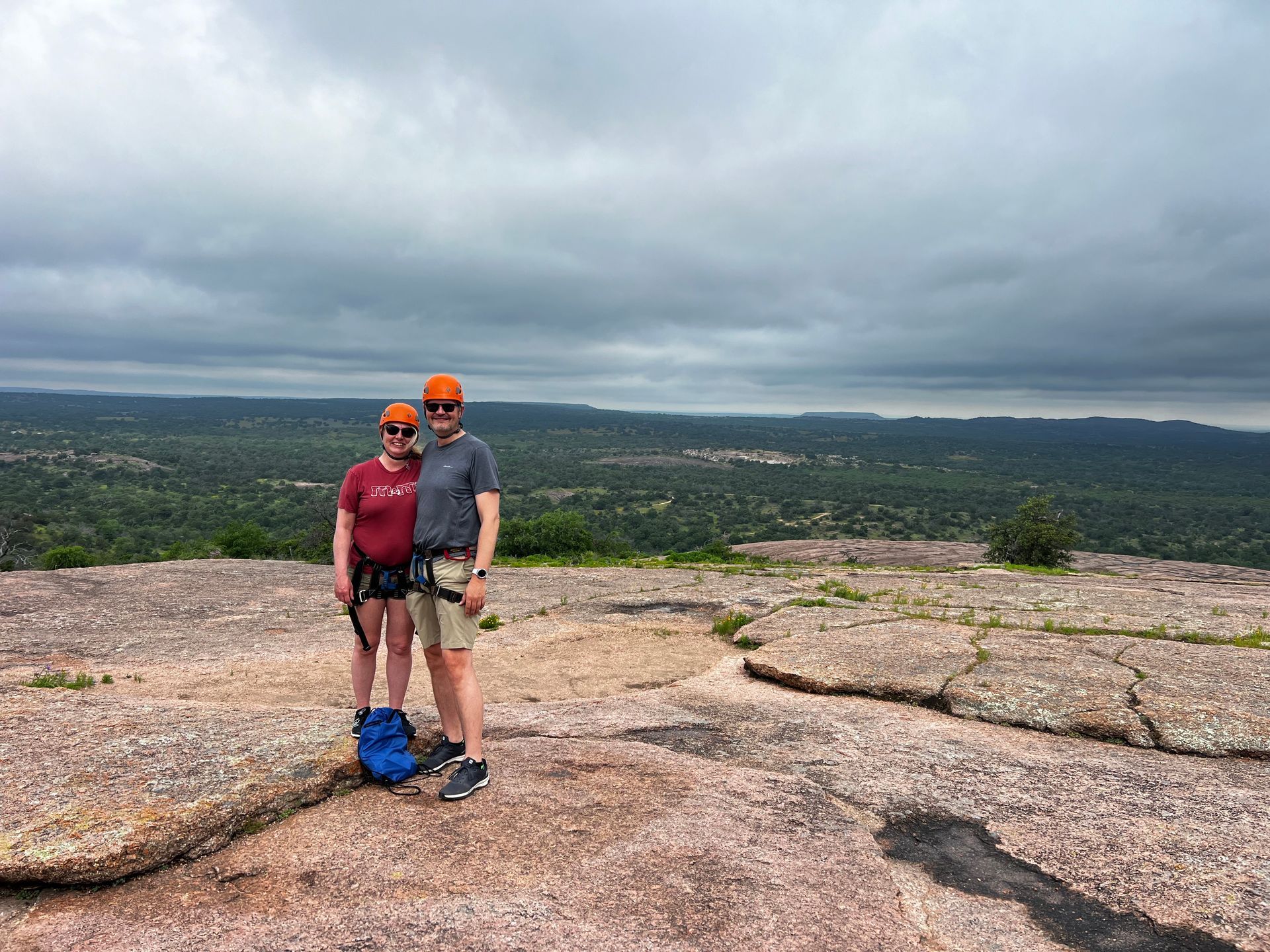
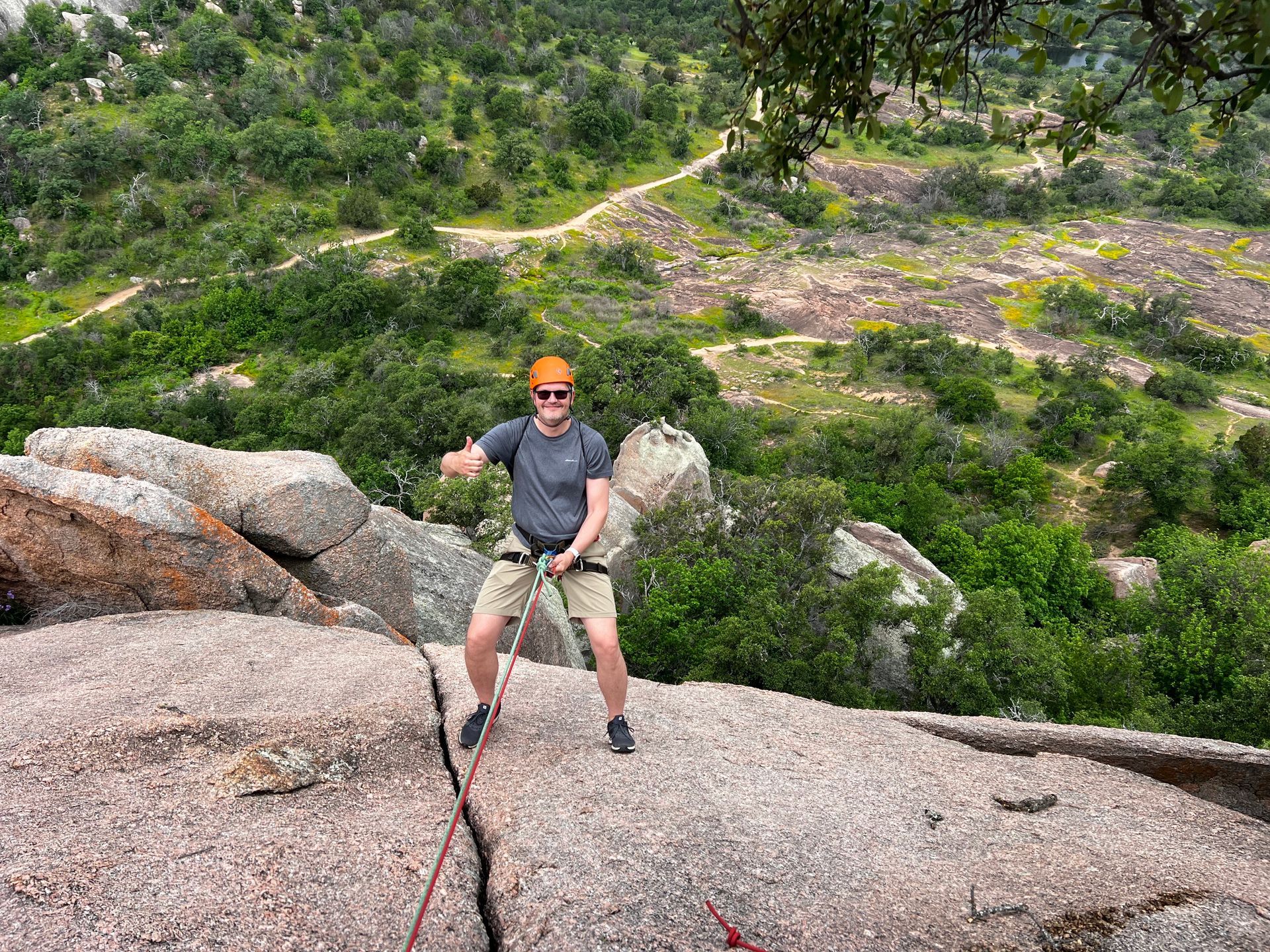
Rock-About's Canyoneering & Rappelling Adventure introduces hiking, scrambling and rappelling on the granite at Enchanted Rock. The activity page welcomes people without prior experience and lists the climbing equipment provided.
At Enchanted Rock, you'll hike through natural terrain, scramble over boulders and learn to rappel on granite. This is a land-based introduction to those skills. If swimming through a canyon is your main goal, you'll want a different kind of trip.
Guests' reviews help describe the pace of the rappelling experience. Amanda McConville wrote on Google: "I was terrified initially and now I am excited about trying it again." Kimberly Kuta, reviewing a separate Enchanted Rock rappelling outing, wrote: "He took time with us and didn't make things feel rushed."
Ready to try rappelling on Texas rock? Explore the adventure linked above, then tell us about your experience and the people coming with you. We can help you prepare for the day's terrain and activities.