Trad vs Sport Climbing: How the Protection Changes the Climb

Rock-About Climbing Adventures • September 29, 2026

Two climbers can climb similar rock, use a rope and wear similar harnesses, yet have quite different jobs on the way up. The key to understanding trad vs sport climbing is the protection: what the leader clips the rope into, and how that protection gets there.

Trad climbing uses removable protection that the climber places in the rock. Sport climbing typically uses fixed bolts already installed along the route. In both styles, a lead climber brings the rope upward and clips protection as they go. The difference changes the gear, the preparation and the judgments the climber must make.

Neither label tells you how hard every move will be. You can find difficult sport routes and moderate trad routes, or the reverse. Start by separating the physical challenge from the skills needed to manage the protection.

Trad vs Sport Climbing at a Glance

What protects the leader?

  • Trad climbing: Removable gear, such as cams and nuts, placed in suitable features.
  • Sport climbing: Fixed bolts, typically connected to the rope with quickdraws.

Who selects protection positions?

  • Trad climbing: The climber assesses placement opportunities as the route allows.
  • Sport climbing: Established bolts determine the available clipping points.

What decisions arise?

  • Trad climbing: Which piece fits, whether the rock and placement are suitable, and how placements work together.
  • Sport climbing: Whether fixed hardware is suitable, how to clip correctly, and how to manage rope between bolts.

What happens to the gear?

  • Trad climbing: Removable protection is normally collected as the route is followed or cleaned.
  • Sport climbing: Bolts remain; climbers usually retrieve their own quickdraws.

Which skills are shared?

Belaying, communication, movement, route assessment and rope-system skills apply to both. The same foundations are applied to a different protection system.

Routes are not always neatly divided. A mixed route may use both bolts and removable gear. Check the actual route description and conditions rather than assuming its label tells you everything you need.

What Changes When You Place the Protection Yourself?

On a trad route, spotting a handhold is only part of reading the rock. The leader also looks for features that may accept protection. A crack's shape, the condition of the rock and the direction a piece could be loaded all matter.

Nuts are metal wedges that fit suitable constrictions in the rock; cams have moving lobes that fit a range of crack widths. A climber's "rack" is the collection of protection carried for the route.

Carrying a rack does not answer those placement questions. Learning trad means learning to evaluate placements, recognize weak options and make decisions when the next useful placement is not where you hoped it would be.

This can add time and attention to a climb. A comfortable stance might be useful for placing gear, organizing the rope or deciding what comes next. That does not make trad a purely mental activity, or make strength irrelevant. Managing protection is part of the climbing task.

The equipment you need depends on the route. Rock-About supplies gear for its Traditional Rock Climbing Course, so you can learn what the pieces do before deciding what to buy for your own climbing.

What Changes When the Bolts Are Already There?

Sport climbing removes the task of placing removable protection at each bolt. It still requires judgment about the route, hardware, clipping and rope management.

A bolt is not a guarantee that the climb is suitable for you or that every fall is clear of obstacles. The spacing between protection, ledges, the route's shape and the climber's position still affect fall consequences. Existing hardware also needs assessment; fixed does not mean maintenance-free.

The leader clips the rope into quickdraws as they progress, while the belayer manages the rope from below. Correct clipping orientation and rope positioning matter. Learn those skills through instruction, rather than reconstructing them from a gear photograph. Petzl's clipping guidance shows why orientation deserves attention.

Is Sport Easier or Safer Than Trad?

Sport usually involves fewer protection-placement decisions, which can make it a useful way to learn outdoor leading. That is a difference in the learning task, not a blanket safety ranking.

A route grade describes climbing difficulty within a grading system. It does not fully describe exposure, protection quality, fall consequences or how comfortable you will feel on that rock. A familiar grade indoors is not proof that an outdoor lead is appropriate.

Both styles need a competent belayer and a shared plan. Both also require separate instruction in skills such as anchors and descending. Completing a climb does not mean you already know how to retrieve gear or get down from every anchor arrangement.

Do You Need to Learn Sport Before Trad?

There is no universal sequence that fits every climber. What matters is having the skills required for the next lesson and choosing terrain that suits them.

If you are new to roped climbing, start with belaying, knot tying, communication and movement. Rock-About's Beginner Rock Climbing Course introduces those foundations on real rock. You do not need to choose a lifelong climbing style before your first course.

If you already climb, tell the instructor what you have actually done: top rope or lead, indoors or outdoors, and which belay systems you know. That is more useful than describing yourself simply as "intermediate." Confirm current prerequisites with Rock-About before selecting a lead or trad course.

How the Difference Looks on Central Texas Rock

Rock-About's Lead Rock Climbing Course teaches sport-leading skills at Reimers Ranch, where the climbing is on limestone. The Traditional Rock Climbing Course uses Enchanted Rock's granite for learning about removable protection and trad systems.

Those examples give the comparison a practical setting: bolts and quickdraws on the sport course, removable gear and placement decisions on the trad course.

Bob Bell, who reviewed both courses on Google, wrote that his instructor "assessed my experiences and tailored the course according to my climbing goals." In a Tripadvisor review of trad and instructor training, Naada N wrote: "They are organized with the curriculum and proceed with the lessons as per the group's needs as well."

Choose the next skill you want to learn, then check that course's requirements. For bolted leading, start with the Lead Course details. For placing and evaluating removable protection, review the Trad Course. If you are unsure where your experience fits, describe it to the Rock-About team before booking.

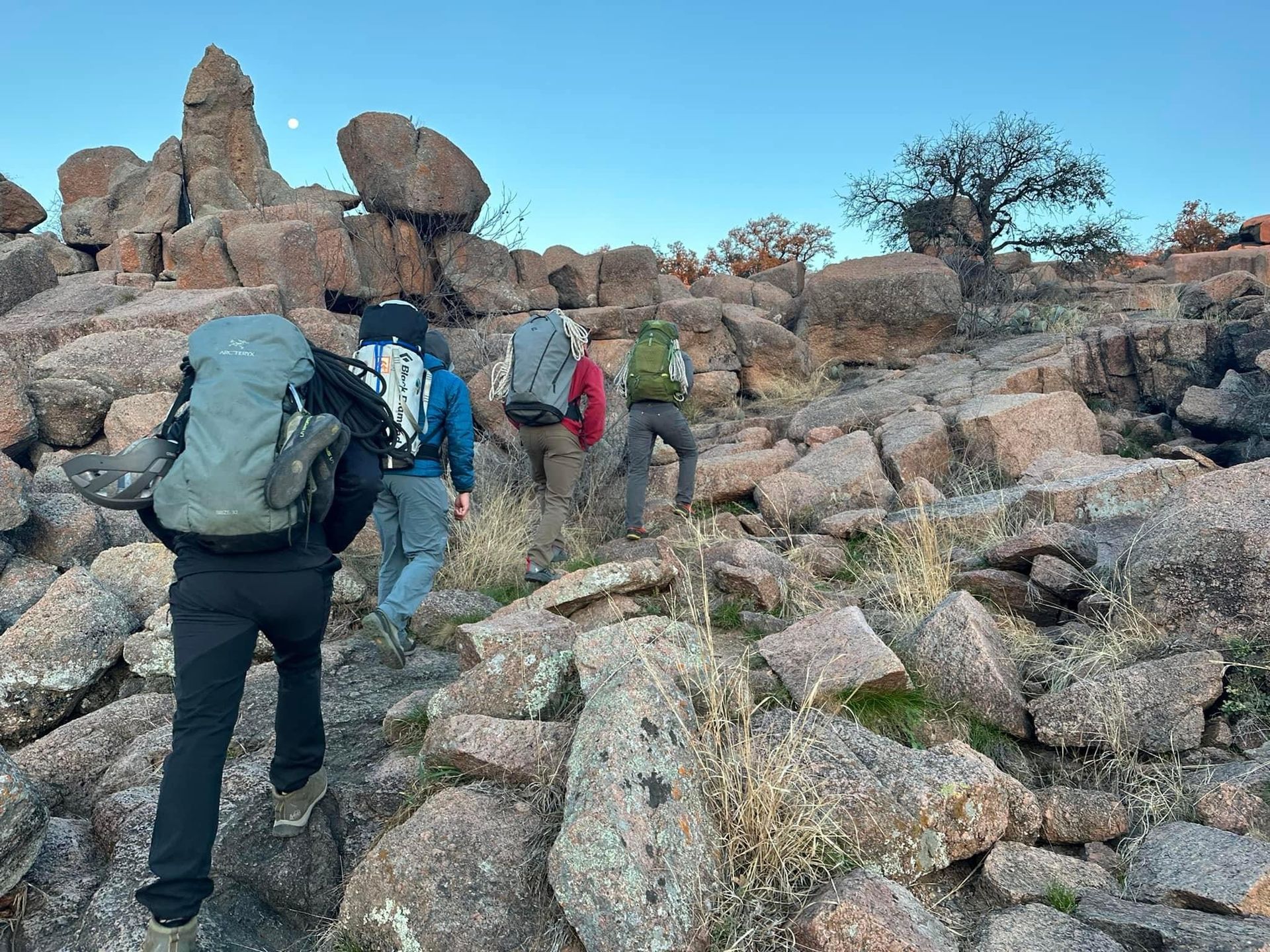
A group hiking with packs through granite boulder terrain at Enchanted Rock, Texas
By Rock-About Climbing Adventures • September 29, 2026
What is canyoneering? Learn how hiking, scrambling and rappelling fit together, what changes between wet and dry routes, and how to choose a first outing.
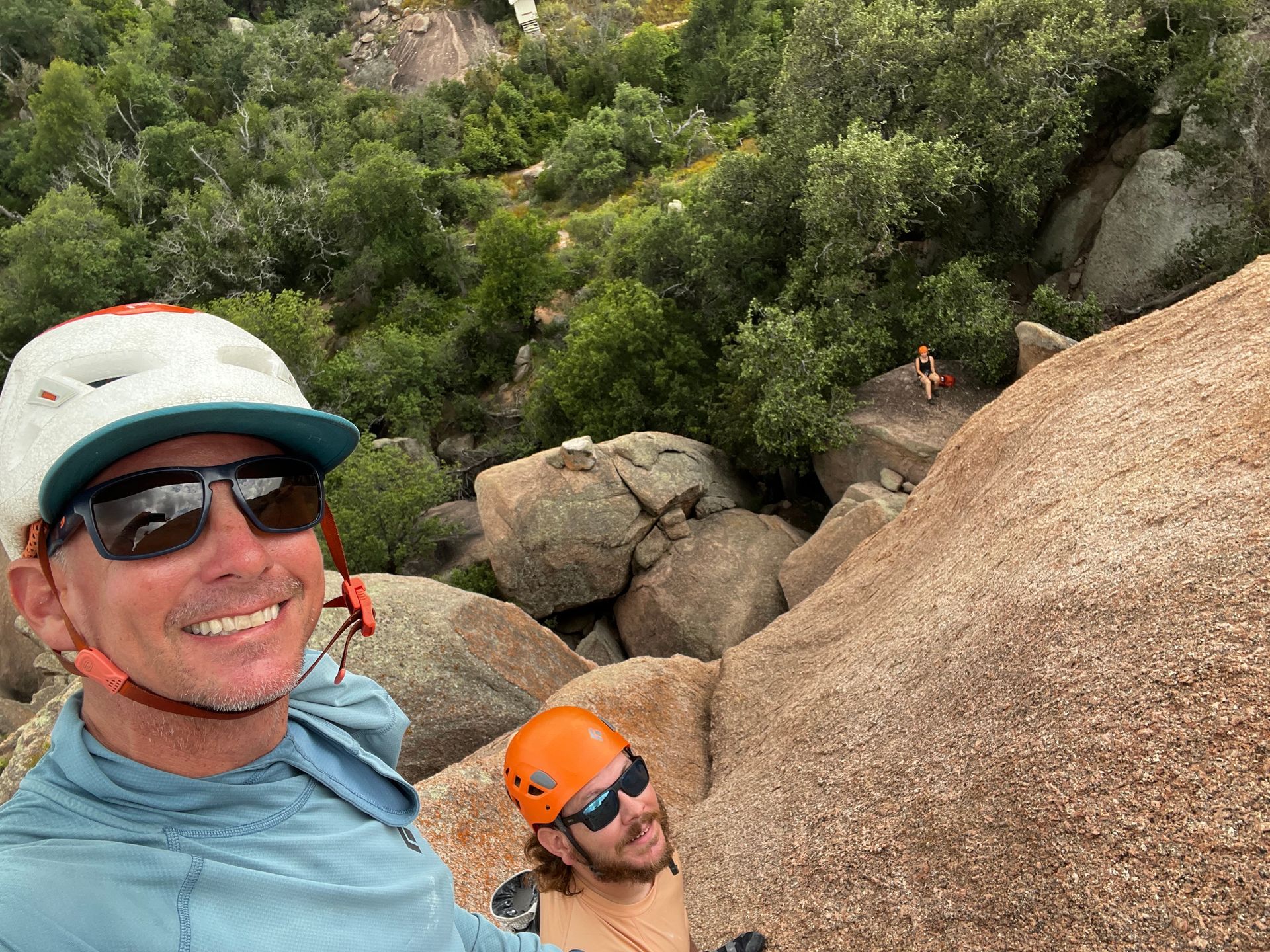
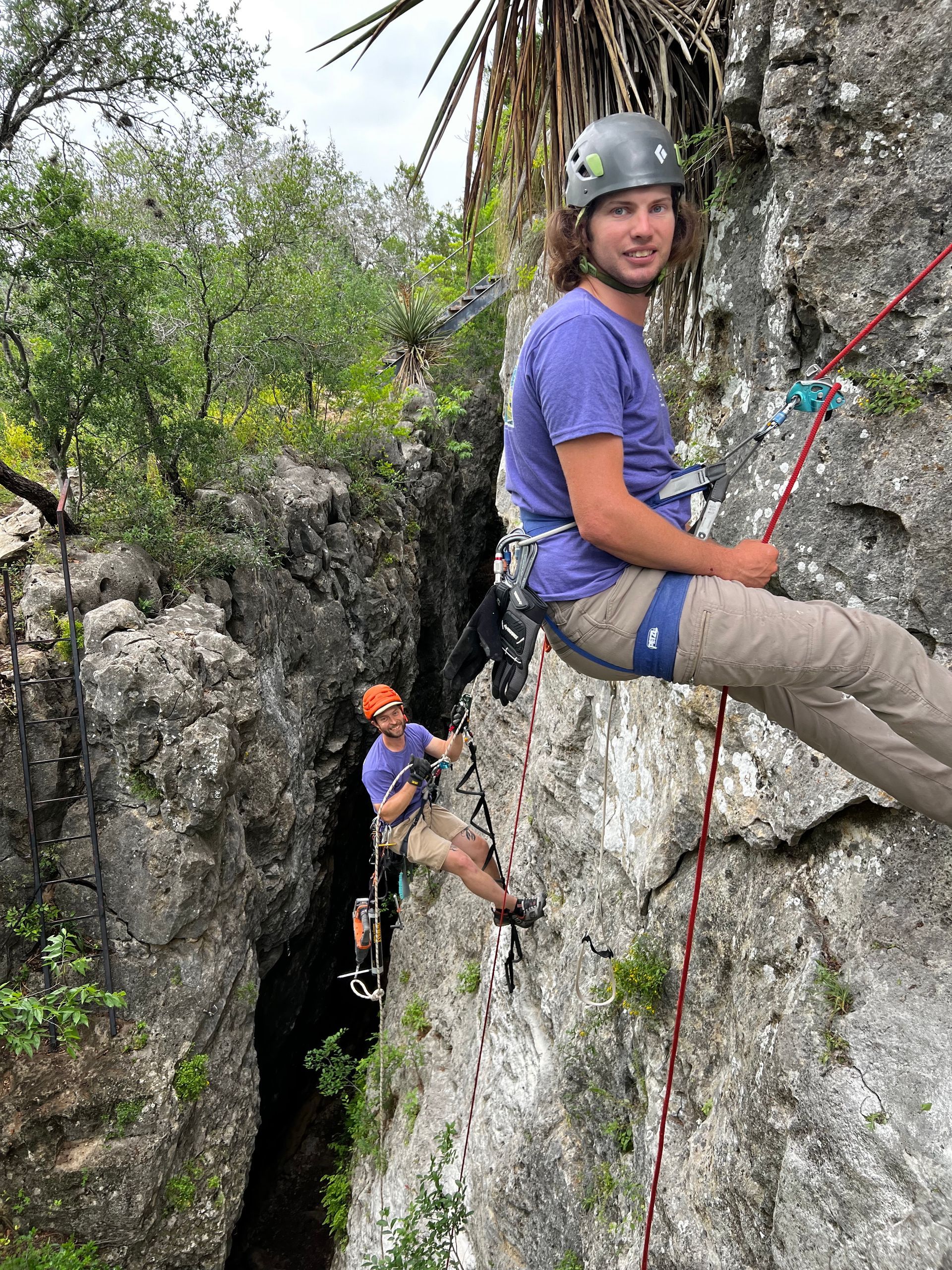
Two men rappelling Texas
September 9, 2026
Rappelling in Texas is safe for complete beginners with a certified guide. No experience needed, all gear provided, year-round sessions. Book today.
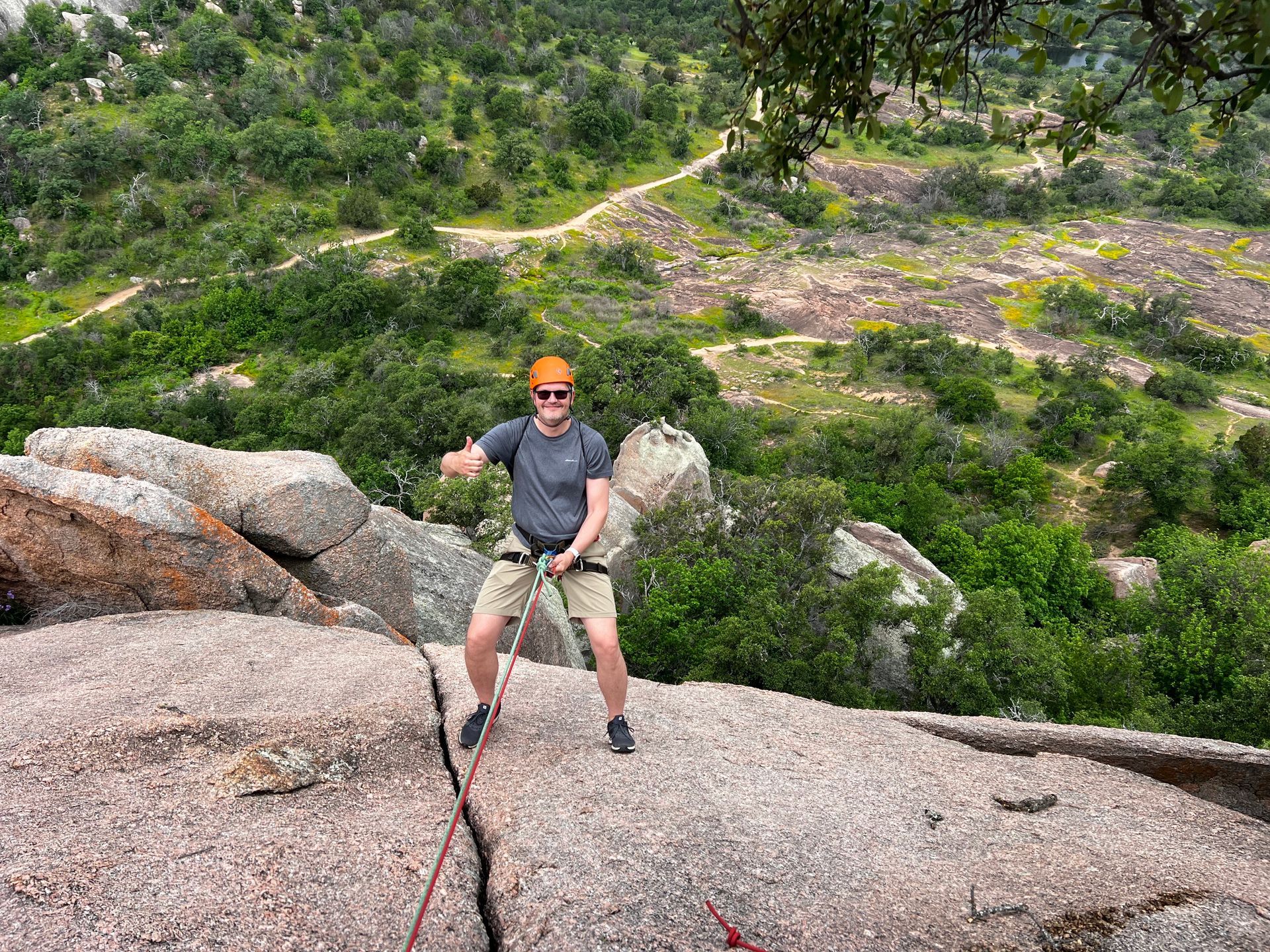
Person rappelling down a granite rock face, wearing safety gear, in a green, rocky landscape.
September 1, 2026
Discover Rock-About’s limited-time weekday rock climbing deals in Texas. Save 10% on beginner courses, deep water soloing, and rappelling adventures this fall, winter, and spring.
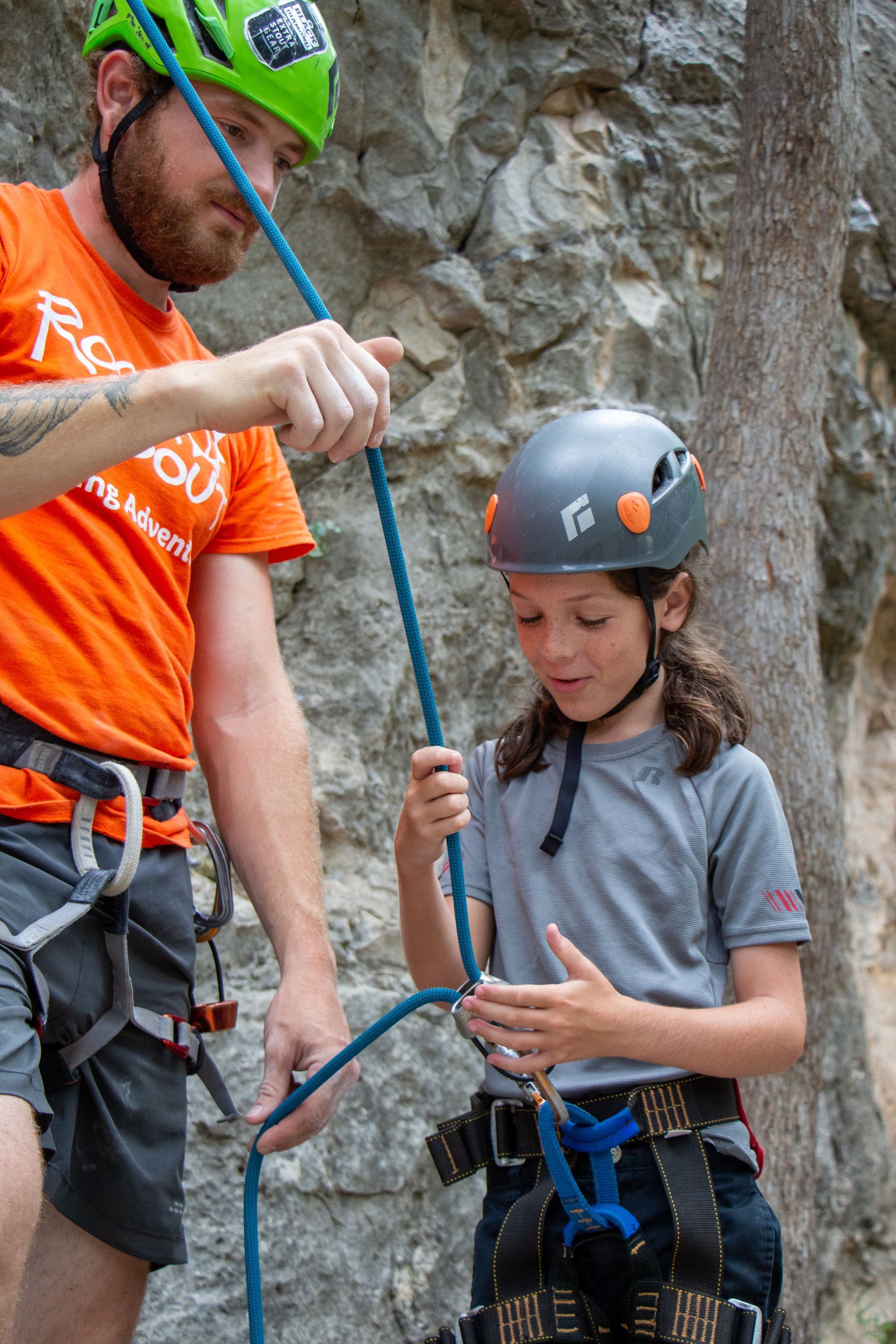
A Rock-About guide showing a young climber how to handle the rope at a Central Texas crag
By Rock-About Climbing Adventures • August 28, 2026
Learn how to belay a climber, from partner checks to brake-hand control. Understand top rope basics and what to practice with a Rock-About climbing guide.
rock climbing
August 23, 2026
Yes, you can go rock climbing in San Antonio. Medicine Wall has free access, routes 5.6 to 5.12, guided since 2001. No experience needed. Book today.
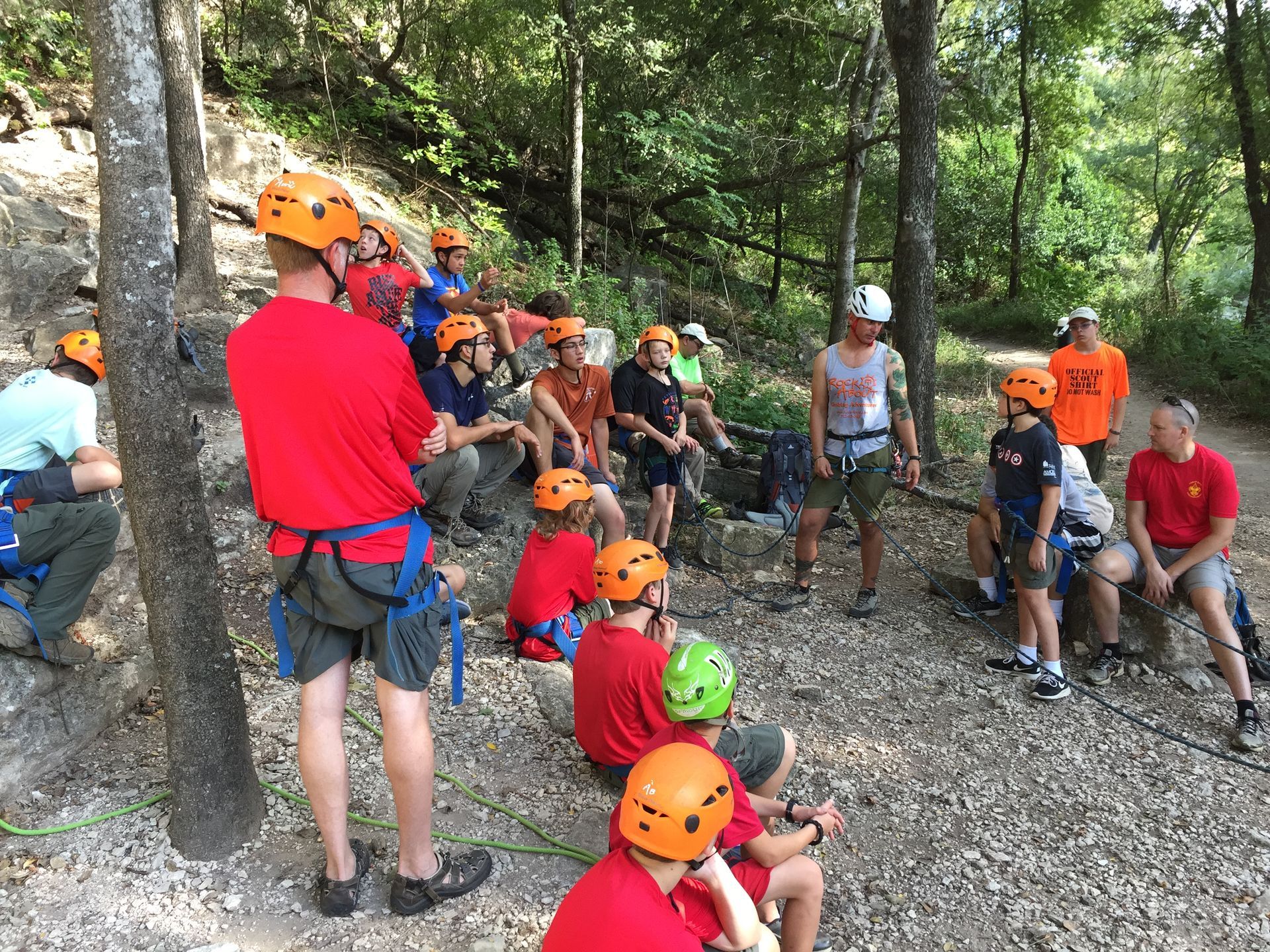
Scout troop rock climbing with AMGA-certified guides in Central Texas
August 7, 2026
Why guided rock climbing works as team building for scout troops and school groups in Texas: AMGA-certified guides, gear provided, from $85 per person.
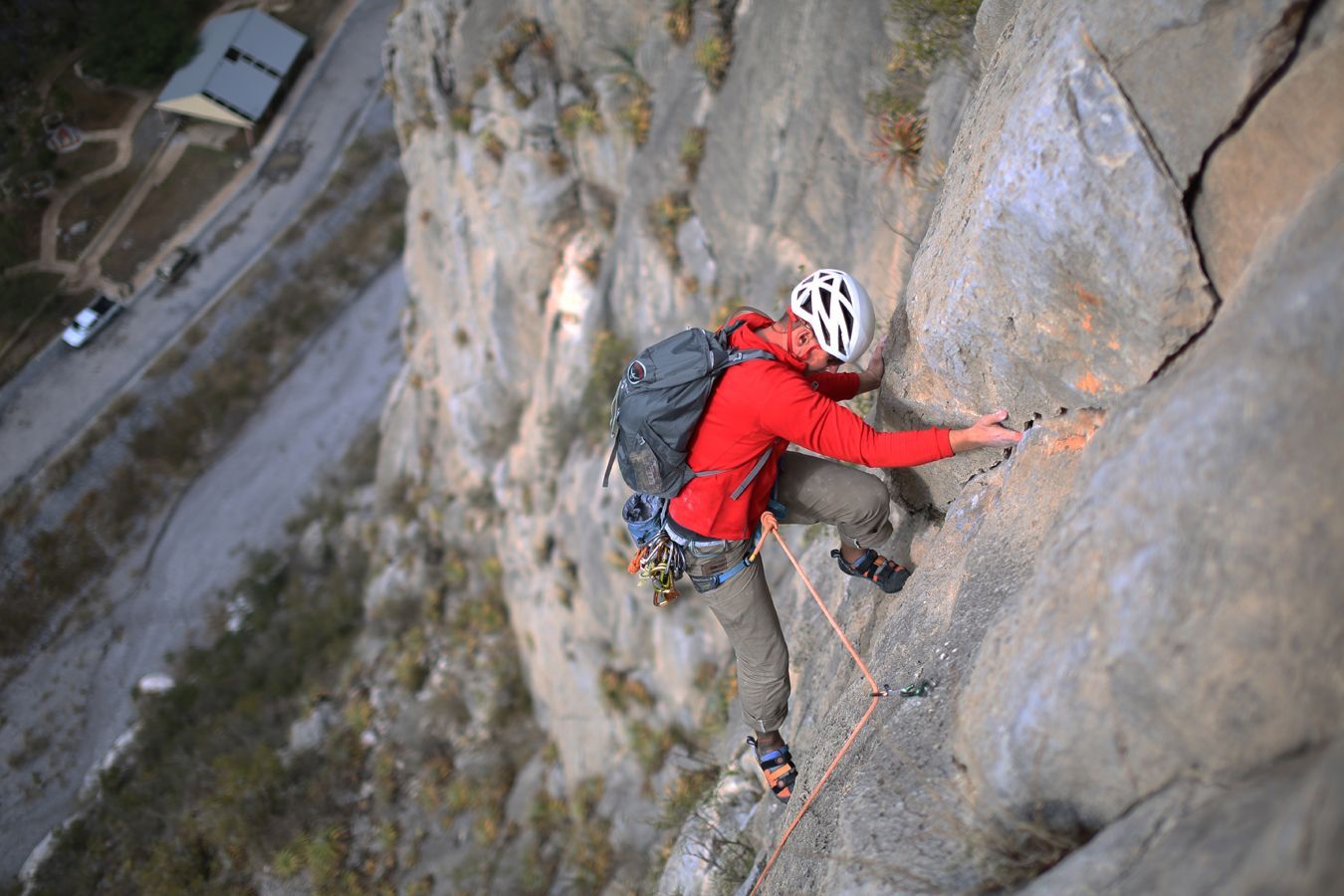
By Rock-About Climbing Adventures • July 31, 2026
How to use a hangboard safely: who is ready, when to start, and the finger protocols that build climbing strength without injuring your fingers.
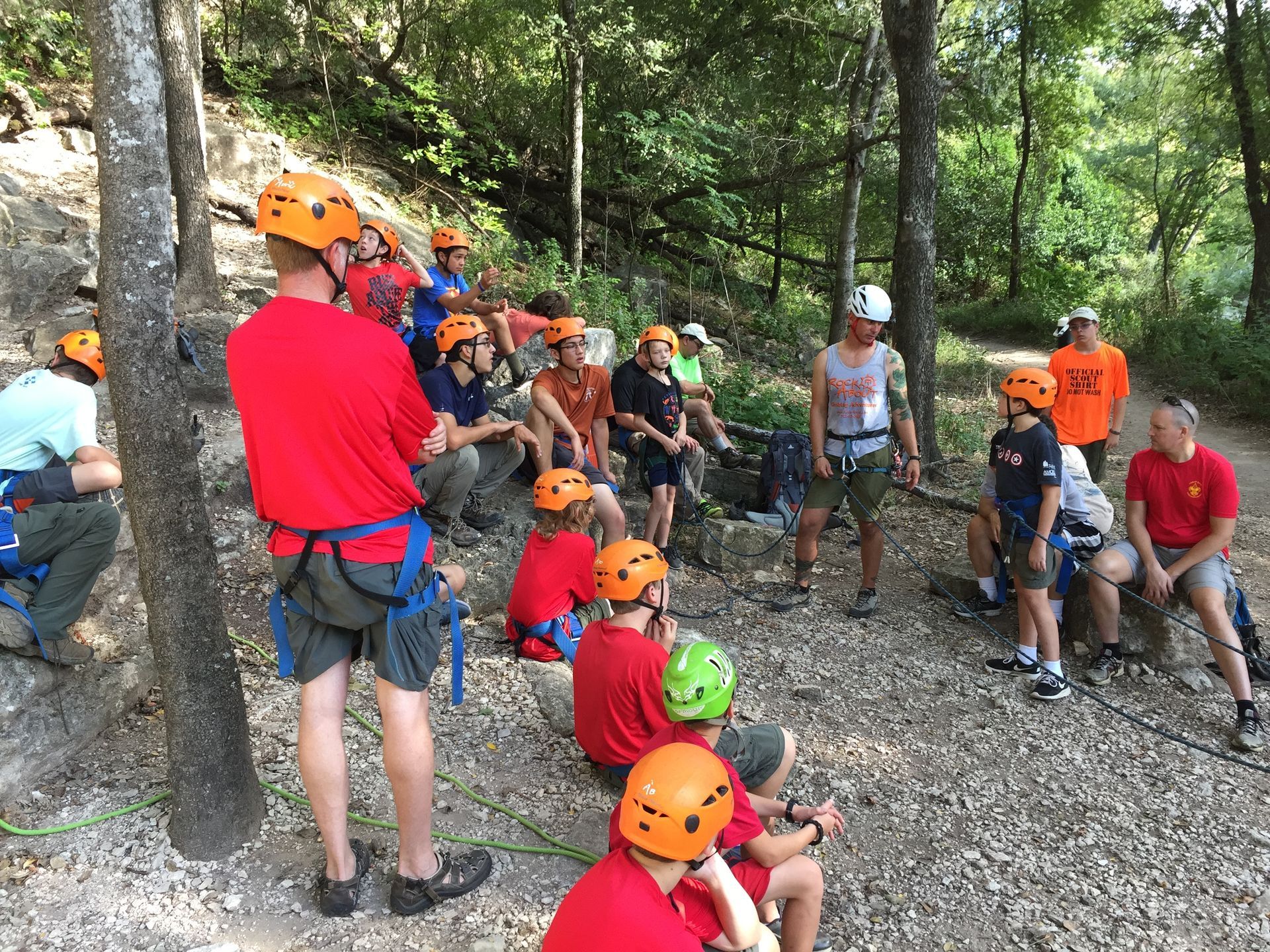
By Rock-About Climbing Adventures • July 29, 2026
Climbing commands keep you safe. Learn the full set of climber-belayer calls in order, from On belay to Take to Rock, and how to respond to each one.
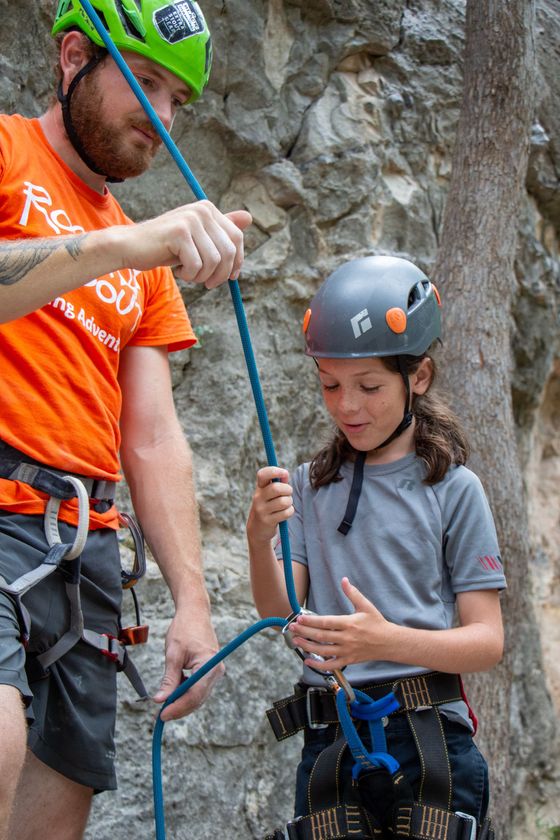
By Rock-About Climbing Adventures • July 28, 2026
Learn the essential rock climbing knots our AMGA-certified Texas guides teach, from the figure 8 to the Prusik, with what each is for and when to use it.
By Rock-About Climbing Adventures • July 27, 2026
A climbing warm-up routine that takes 10 minutes and protects your fingers, shoulders, and forearms, using the mobility and finger prep our AMGA guides use.