Best Time of Year to Climb in Texas: A Complete Seasonal Guide
The best time to climb in Texas is during the fall (September-November) and spring (March-May). Fall offers the absolute best conditions with cool, dry weather and optimal rock friction, especially in October and November. Spring provides pleasant temperatures but has a higher chance of rain. Winter is great for midday climbing with fewer crowds, while summer climbing is possible but requires very early morning starts to avoid extreme heat.
Planning a rock climbing trip to Texas? You’re in for a treat. From the iconic granite domes of the Hill Country to the steep limestone cliffs around Austin, the Lone Star State offers a surprising diversity of world-class climbing. But as any local will tell you, timing is everything. The difference between a trip filled with perfect sends and one spent hiding from the sun or dodging thunderstorms comes down to knowing when to come.
This is the definitive guide to the best time of year to climb in Texas. As a team of certified local guides with decades of experience on this rock, we're sharing our insider knowledge to help you plan the perfect trip. Whether you're a beginner looking for your first outdoor experience or an advanced climber chasing your next project, understanding when to climb in Texas can make all the difference. We'll break down the Texas climbing season, cover how weather affects conditions, give you month-by-month advice for all of Central Texas's premier climbing destinations, and share the tips that only locals know.
Why Timing Your Texas Climbing Trip Matters
Unlike other major climbing destinations, Texas has a unique, often misunderstood climate. It’s not just about the heat; it’s about humidity, rock type, and sun exposure. Choosing the right season doesn’t just mean more comfortable weather—it means better, safer, and more successful climbing.
Understanding Texas’s Unique Climbing Climate
Central Texas weather can be unpredictable. We have scorching summers, mild winters, and two glorious “shoulder” seasons in spring and fall. For climbers, the most critical factors are temperature and humidity. A cool, dry day can make a route feel grades easier, while a hot, humid day can turn even the most positive holds into slippery slopers. Our guides at Rock-About have seen it all, and we know that the best Texas climbing season is when these two factors align perfectly.
How Seasons Affect Rock Conditions and Friction
Rock friction is the climber’s best friend, and in Texas, it’s a fickle one. Here’s how the seasons impact it:
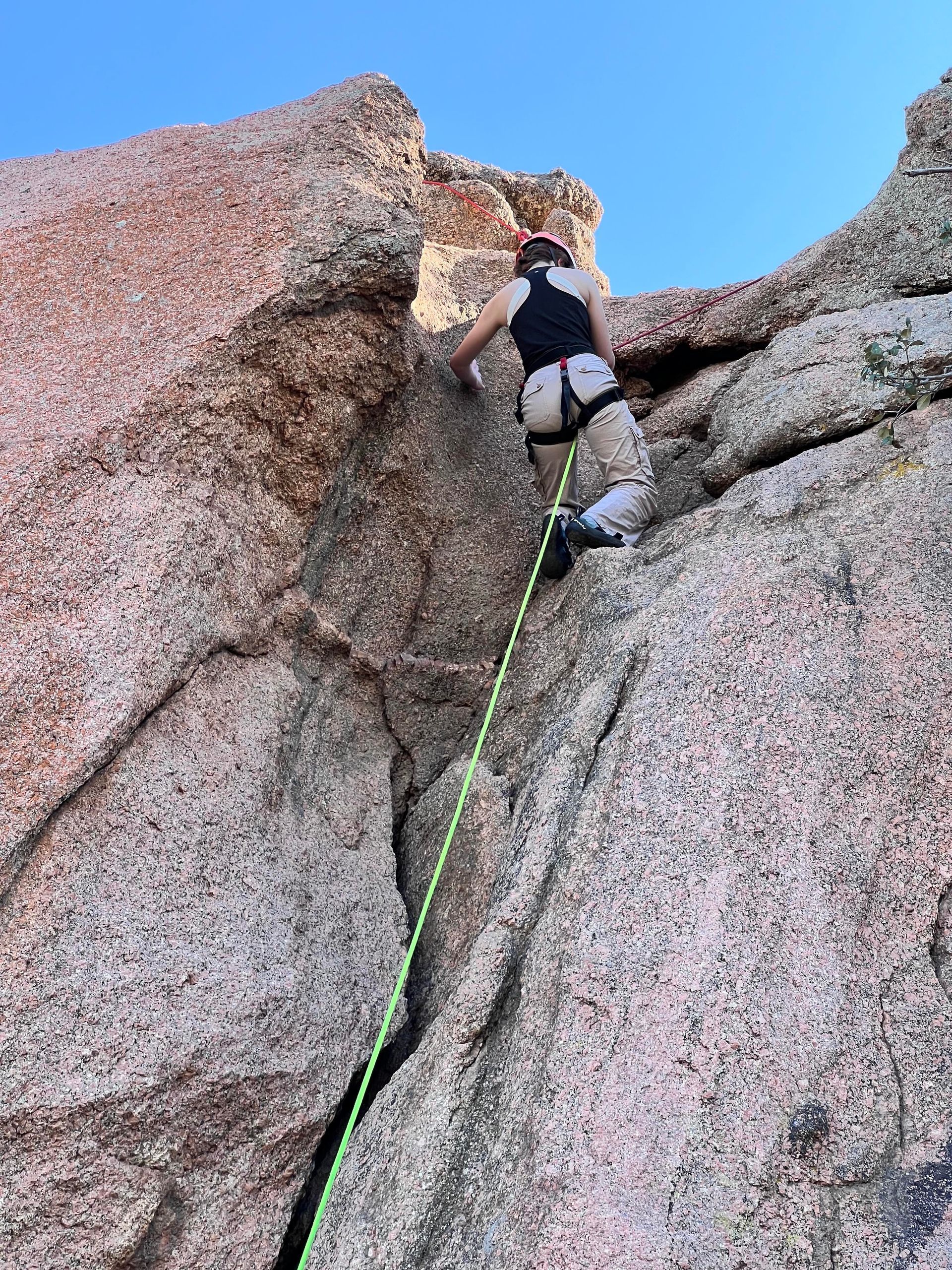
- Granite (Enchanted Rock): This rock is famous for its friction-dependent climbing. The coarse crystals of granite provide incredible grip, but only when it’s cool and dry. In the fall and winter, the friction is so good it feels like Velcro. In the summer heat, the rock radiates warmth and your shoes will feel like they’re melting off the holds.
- Limestone (Reimers Ranch, Austin Greenbelt): Limestone is generally less friction-dependent than granite, but it’s highly susceptible to humidity. On a humid day, the porous rock can feel slick or “greasy,” making it difficult to trust your feet and hands. The best limestone conditions are found on cool, breezy days with low humidity, which are most common in the fall and winter.
The Four Seasons of Texas Climbing: A Deep Dive
Let’s break down what to expect from each season, so you can decide on the best time to climb in Texas for your goals.
Fall (September-November): The Prime Climbing Season
Ask any Texas climber for the best time of year to climb, and you’ll hear one answer: fall. From late September through November, the weather is simply perfect. The oppressive summer heat finally breaks, humidity plummets, and the crags come alive. October and November, in particular, are the stuff of legends, offering cool, crisp days that are ideal for sending your project.
This is the season our Rock-About guides look forward to all year. The conditions are perfect for all rock types, crowds are manageable (especially on weekdays), and the comfortable temperatures allow you to climb all day long. You'll often find yourself climbing in a t-shirt in the morning and adding a light layer by evening, with no need to worry about overheating or freezing. The rock friction is so good that routes can feel a full grade easier than in the summer. If you have to pick one season for your Texas climbing trip, make it fall. Our guided trips during this time book up quickly, so plan ahead to secure your spot.
Winter (December-February): The Secret Season for Sunny Days
Winter is the secret weapon of the Texas climbing season. While other parts of the country are buried in snow, Central Texas often enjoys clear, sunny days with temperatures in the 50s and 60s. Mornings can be chilly, requiring a puffy jacket at the belay, but once the sun hits the rock, conditions are often perfect for climbing.
This is an excellent time for climbing at sun-exposed crags like the south-facing walls at Reimers Ranch. It's also a great time to visit Enchanted Rock, as the granite soaks up the winter sun and warms up beautifully by midday. Crowds are at their lowest, making it a peaceful time to be at the crag. You'll often have entire walls to yourself, which is a rare treat at popular spots. The friction is outstanding, rivaling even the fall, as the cold, dry air creates perfect conditions. For those willing to brave a cold start, winter offers some of the best friction of the year. Our guides recommend bringing a thermos of hot coffee and planning to start your session around 10 or 11 AM when the sun has had time to warm the rock.
Spring (March-May): Wildflowers and Perfect Temperatures
Spring in the Texas Hill Country is famous for its stunning wildflower displays, and it’s also a fantastic time for climbing. From March through early May, temperatures are mild and pleasant, similar to the fall. The days are longer, and the landscape is bursting with color, making for some of the most scenic climbing of the year.
However, spring comes with one major caveat: rain. This is the rainiest season in Central Texas, and thunderstorms can pop up unexpectedly, so it's crucial to watch the weather forecast and have a backup plan. The good news is that spring showers are usually brief and intense, clearing out quickly to leave beautiful climbing conditions. Spring break in March can also bring crowds to popular areas like Enchanted Rock, so weekdays are your best bet for avoiding the rush. Despite these considerations, the beautiful weather, stunning scenery, and longer daylight hours make spring a top contender for the best time to climb in Texas, especially for beginners. Many of our Rock-About beginner courses are scheduled during spring for exactly this reason.
Summer (June-August): Beating the Heat with Early Starts
Let’s be honest: summer in Texas is brutally hot. With temperatures regularly soaring into the triple digits and humidity to match, it is the most challenging season for climbing. However, that doesn’t mean you have to hang up your harness entirely. The key to summer climbing in Texas is strategy.
This means very early morning sessions, chasing shade, and choosing the right location. Our guides often start trips at sunrise, sometimes as early as 6 AM, to get a few good hours of climbing in before the heat becomes unbearable. By 10 or 11 AM, most outdoor climbing comes to a halt, and it's time to head to a swimming hole or an air-conditioned gym. This is also the prime season for deep water soloing (DWS) on Lake Travis, where a fall means a refreshing plunge into the water rather than a scary whipper. The combination of climbing and swimming makes summer DWS trips some of the most fun and memorable experiences we offer at Rock-About. If you're planning a summer trip, be prepared for the heat, bring plenty of water and sunscreen, and plan your climbing days accordingly. Consider it an adventure in heat management as much as an adventure in climbing.
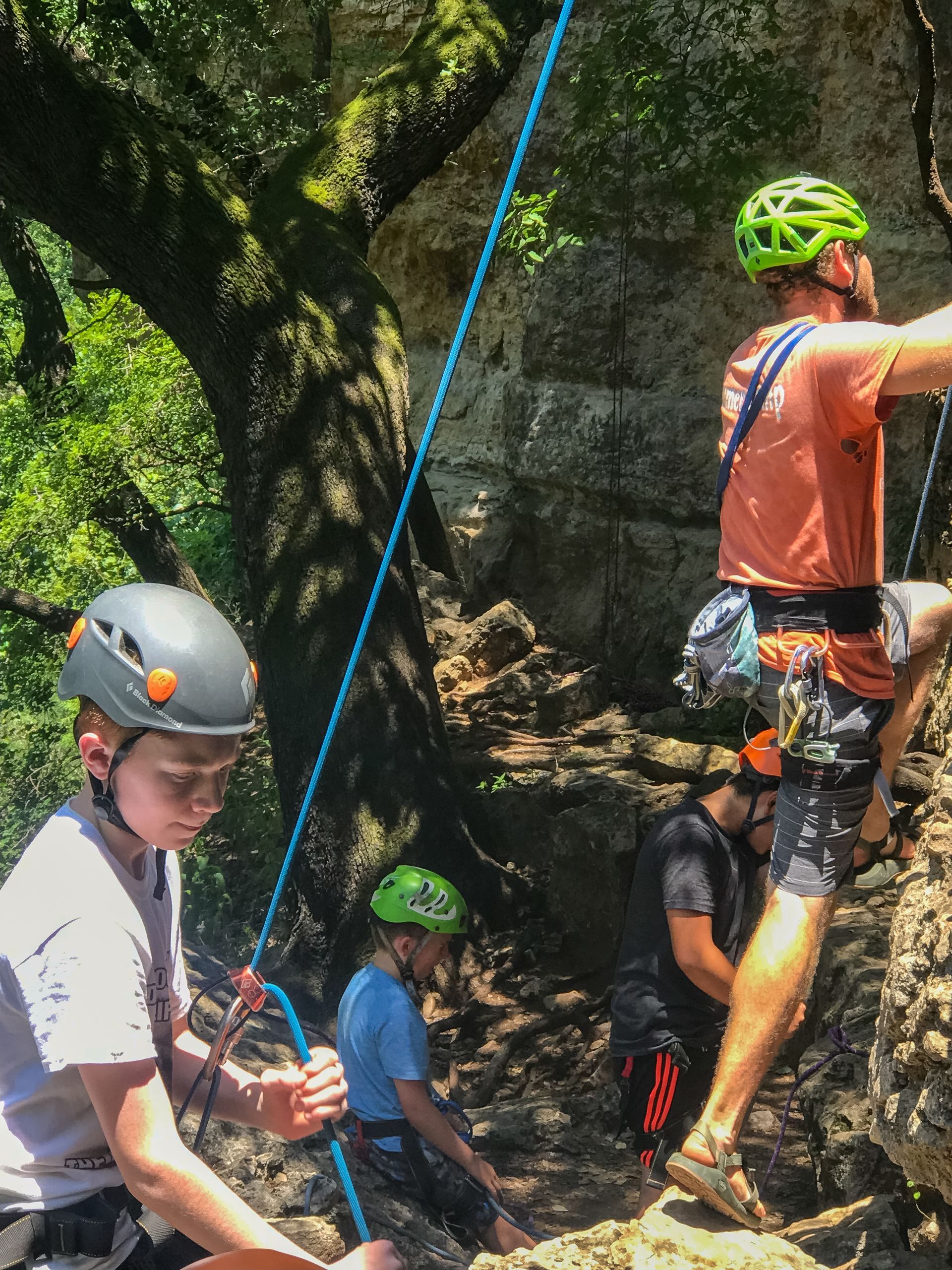
Texas Climbing Seasons at a Glance
To help you visualize the best time to climb in Texas, here’s a quick comparison of the four seasons:
| Season | Months | Avg. Temp Range | Conditions | Best For | Pros | Cons |
|---|---|---|---|---|---|---|
| Fall | Sep-Nov | 60-85°F | Cool, dry, excellent friction | All skill levels, sending projects | Perfect weather, low humidity, best friction, fewer crowds | Shorter days, occasional cold fronts |
| Winter | Dec-Feb | 40-65°F | Sunny days, cold mornings | Midday climbing, experienced climbers | Uncrowded, crisp conditions, sunny | Cold starts, shorter days, limited hours |
| Spring | Mar-May | 65-85°F | Mild, wildflowers, occasional rain | Beginners, photography | Beautiful scenery, comfortable temps, longer days | Rain risk, spring break crowds, pollen |
| Summer | Jun-Aug | 85-105°F | Hot, humid, challenging | Early birds, deep water soloing | Long days, warm water temps for DWS | Extreme heat, high humidity, poor friction |
Best Time to Climb by Texas Location
Not all climbing areas in Texas are created equal, especially when it comes to seasonal timing. As local guides, we know the secrets to finding the best conditions at each crag. Here’s our insider breakdown of the best time to climb at Central Texas’s most popular locations.
Enchanted Rock: When to Climb the Granite Dome
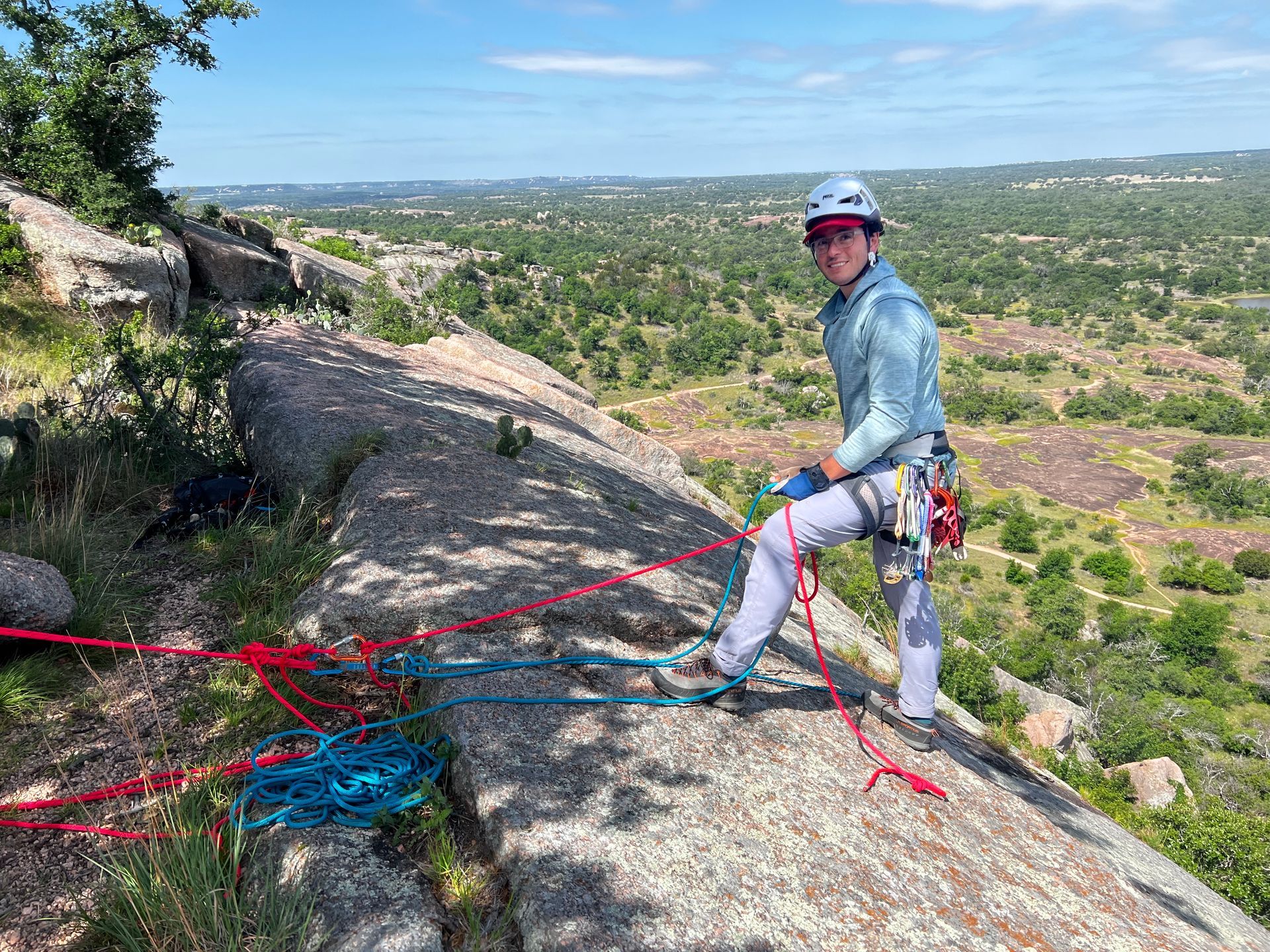
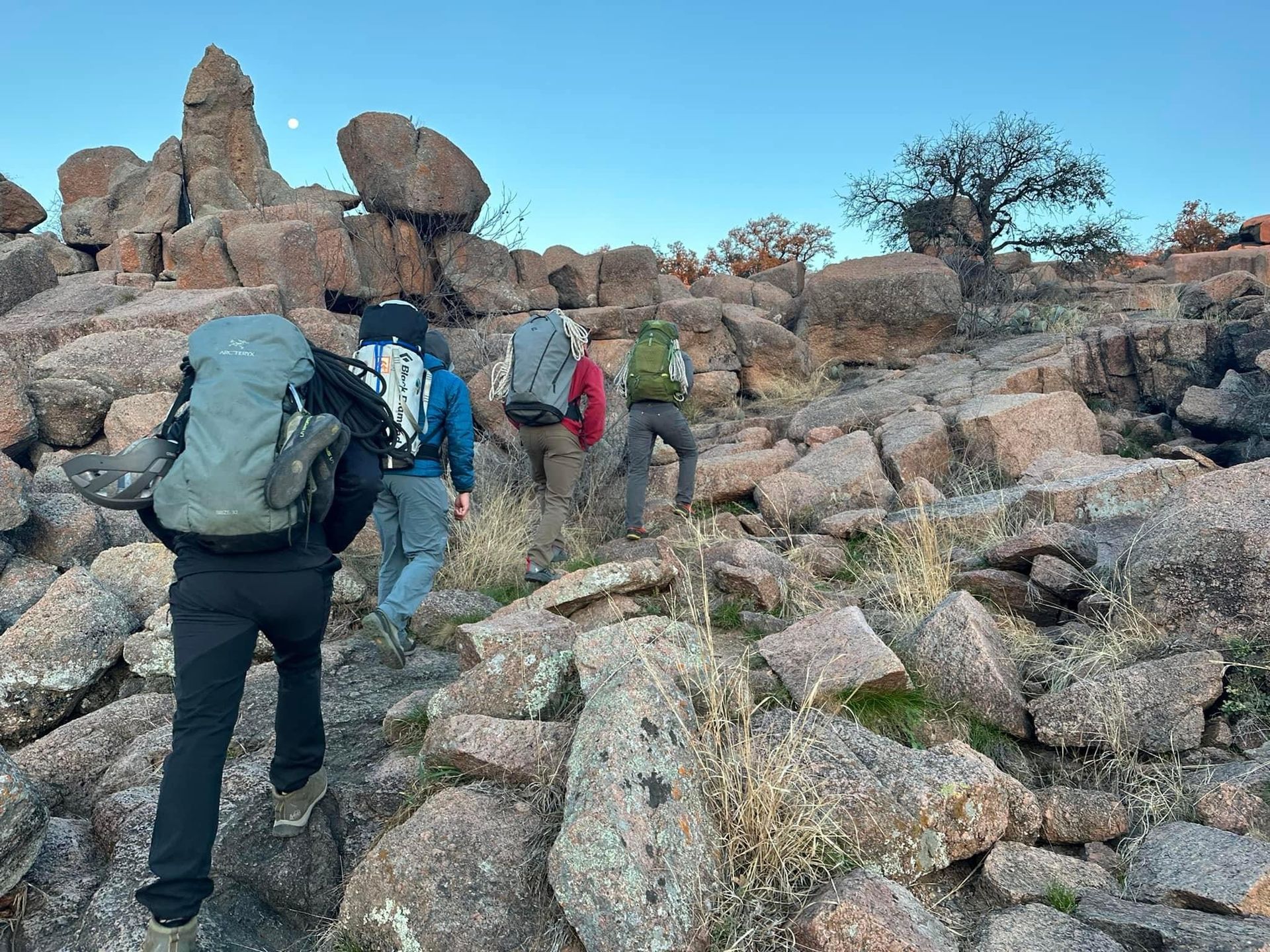
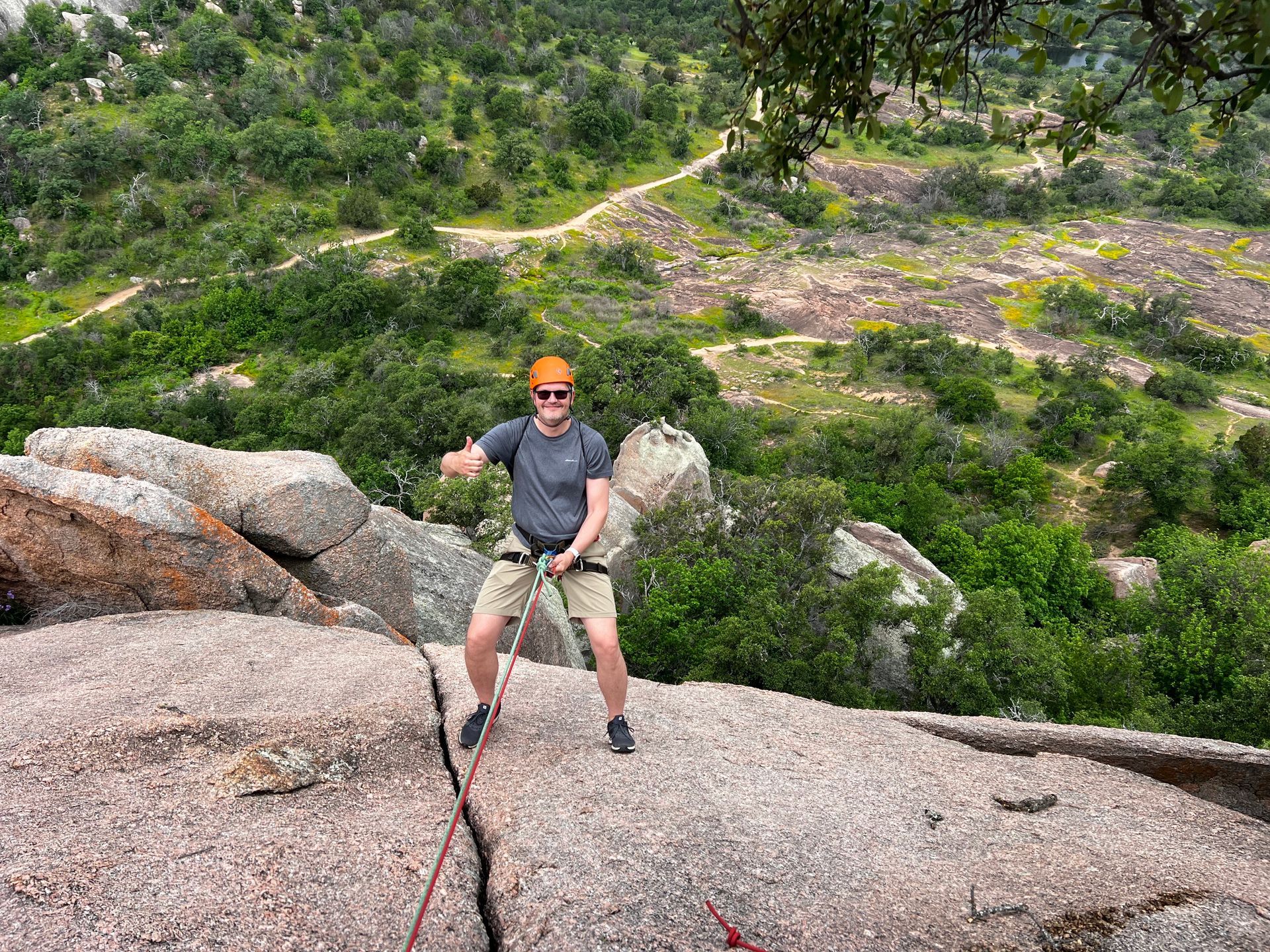
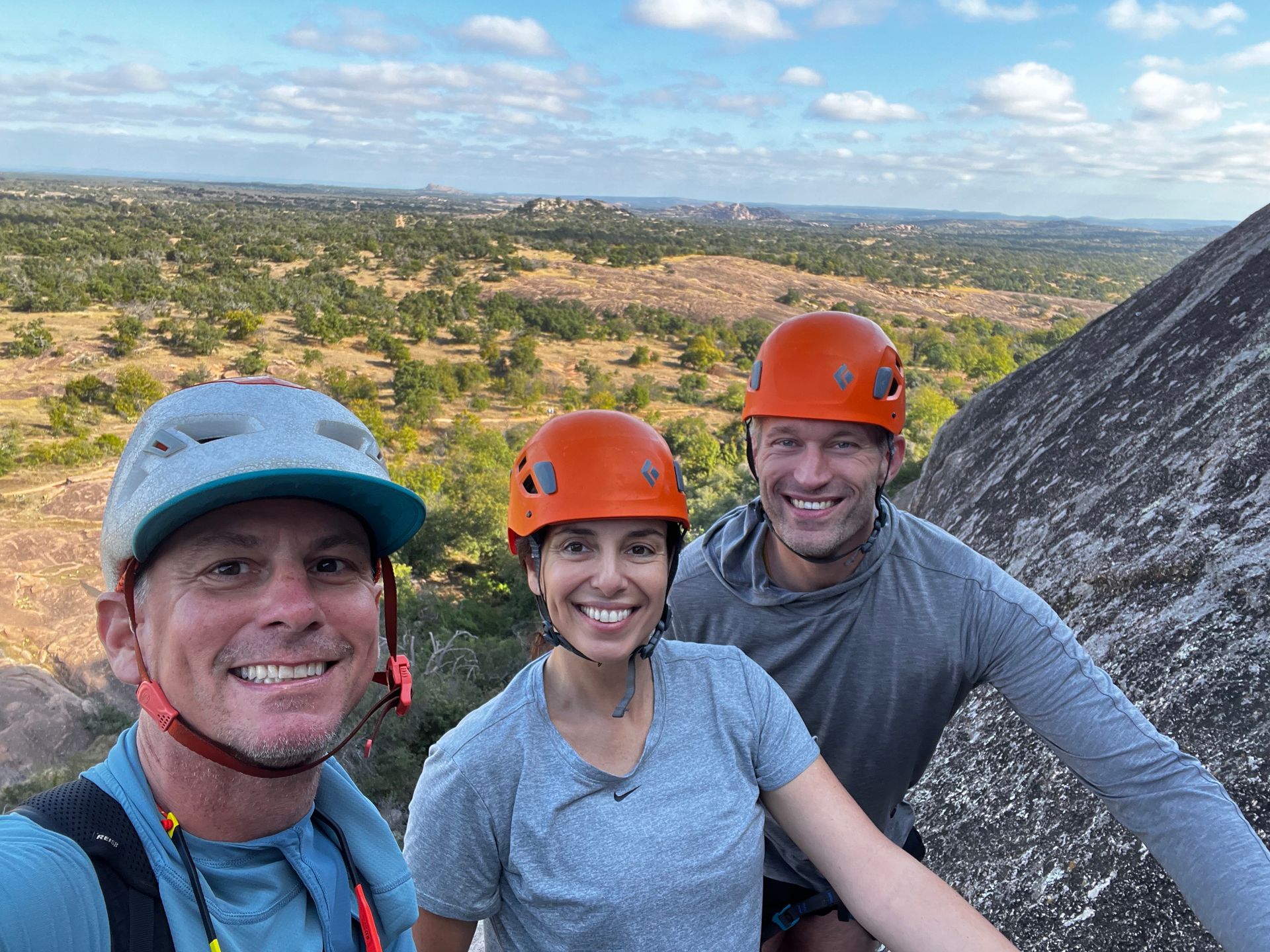
Enchanted Rock is a massive pink granite dome that offers some of the best friction and trad climbing in the state. However, its open, sun-exposed nature makes it highly sensitive to the seasons. The best seasons to climb at Enchanted Rock are undoubtedly fall and spring. The cool, crisp air of fall provides legendary friction, making delicate slab routes feel secure. Spring offers pleasant temperatures and beautiful scenery, but always check for rain. Summer should be approached with extreme caution; the rock can become dangerously hot, and we advise climbing only in the very early morning hours.
Reimers Ranch: A Year-Round Limestone Haven
Reimers Ranch is the crown jewel of Austin-area sport climbing, and it's arguably the most versatile year-round destination. With over 400 routes across multiple walls and sectors, its abundance of climbing options, variety of aspects (sun vs. shade), and significant tree cover mean you can almost always find a comfortable place to climb. Fall and spring are still the best seasons, offering perfect limestone conditions with cool temps and low humidity. However, winter is also fantastic; you can chase the sun to stay warm on cold days, starting at the sun-exposed walls and moving to shadier areas as the day warms. Even in the summer, the shaded canyon walls of the North Shore and the early morning shade at other walls make climbing possible and enjoyable. This versatility is why Reimers Ranch is one of our most frequently visited locations for Rock-About guided trips throughout the year.
Austin Greenbelt: Shaded Routes for Spring and Fall
The Barton Creek Greenbelt is a unique urban climbing experience right in the heart of Austin. Its limestone cliffs are nestled in a dense, shaded canyon, making it a great escape from the sun and a convenient option for locals and visitors staying in the city. The best seasons for the Greenbelt are spring and fall, when the temperatures are mild and the humidity is low. The creek is usually flowing during these times, adding to the ambiance and providing a beautiful backdrop for your climbing session. The dense tree cover also makes it a viable option for hotter days when other crags are out of the question. Winter can be excellent, though some walls may not get much sun and can stay chilly, especially in the early morning. Summer climbing is possible in the shade, but the humidity in the canyon can be high, and the rock may feel greasy on particularly humid days.
Mineral Wells State Park: Best Seasons for North Texas Climbing
For climbers in the Dallas-Fort Worth area, Mineral Wells State Park is the go-to spot. This top-rope-only crag offers a great introduction to outdoor climbing with its accessible routes and family-friendly atmosphere. The best seasons here mirror those of Central Texas, with fall and spring providing the most pleasant conditions. The rock can get hot in the summer, so early morning sessions are recommended, and bringing plenty of water is essential. Winter can be a bit colder here than in the Austin area, with occasional ice on the rock during cold snaps, but sunny days still offer great climbing opportunities. The park is less crowded than the Austin-area crags, making it a peaceful option for those looking to escape the crowds.
Lake Travis: The Deep Water Soloing Season
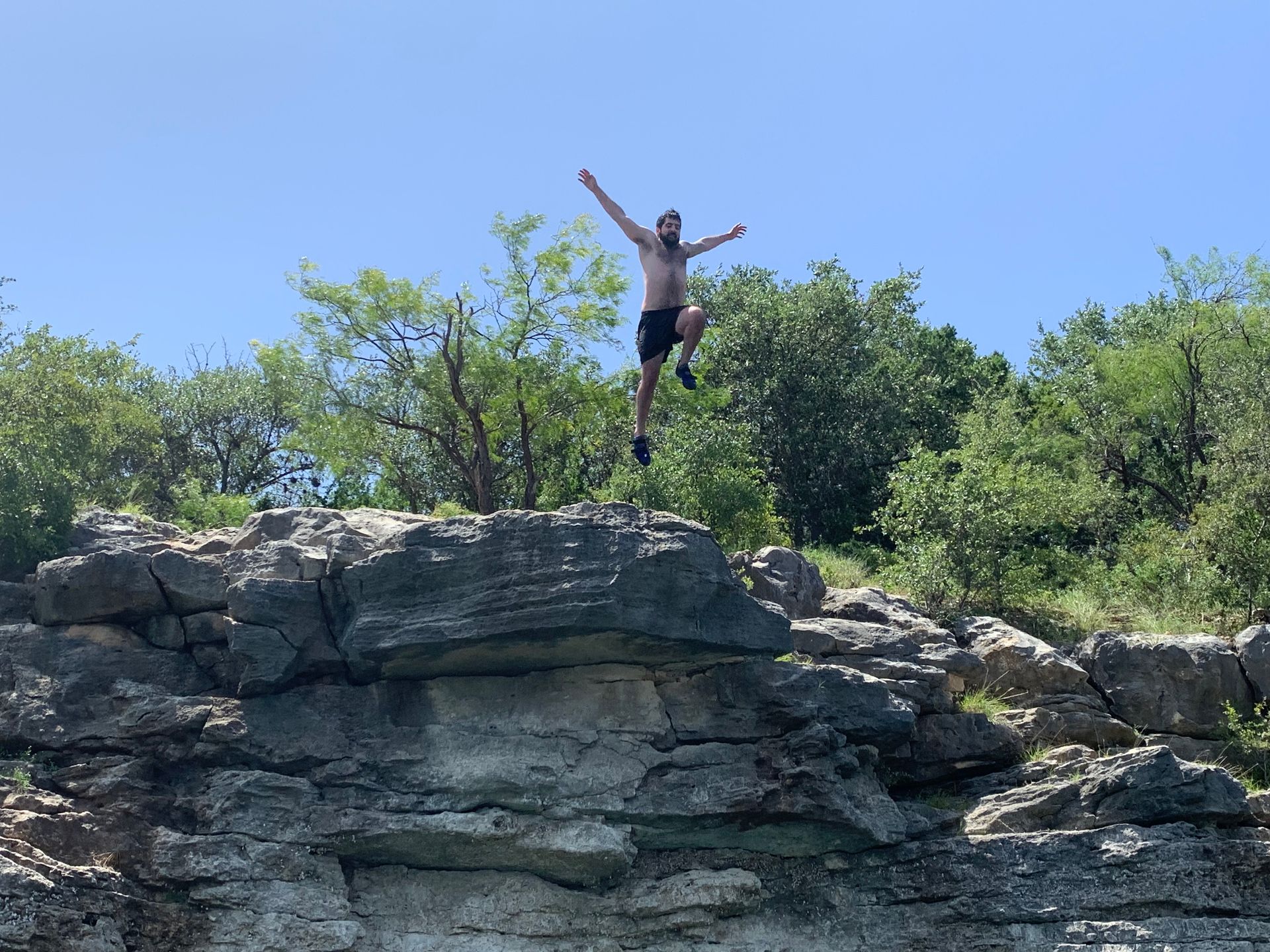
Deep water soloing (DWS) on the limestone cliffs of Lake Travis is a unique Texas climbing experience and the perfect way to beat the summer heat. The DWS season is dictated by water temperatures and lake levels. The season typically runs from
late May through September, when the water is warm enough for a comfortable swim after a fall. Water temperatures in the summer can reach the mid-80s°F, making the plunge after a fall feel more like a reward than a punishment. This is the one time of year when Texas climbers welcome the heat, as it makes the inevitable plunge all the more refreshing. The climbing itself is challenging and exciting, with routes ranging from beginner-friendly to expert-level, all with the safety net of deep water below. Rock-About offers guided DWS trips, which are a fantastic way to experience this unique style of climbing safely. We provide all the necessary gear, including life jackets and boat transport to the cliffs.
A Month-by-Month Guide to Climbing in Texas
For those who love to plan, here is a detailed monthly breakdown of what to expect from the Texas climbing season.
| Month | Avg. High/Low | Conditions | Crowd Level | Best Locations | Insider Tip |
|---|---|---|---|---|---|
| January | 60°F / 40°F | Cold mornings, sunny afternoons | Low | Reimers Ranch, Austin Greenbelt | Start climbing after 11 AM when temps warm up |
| February | 65°F / 43°F | Mild, occasional cold snaps | Low | All locations | Great month for beginners with a guide |
| March | 73°F / 51°F | Pleasant, wildflowers emerging | Medium-High | Enchanted Rock, Hill Country | Book early for spring break |
| April | 80°F / 59°F | Ideal temps, peak wildflowers | High | All locations | Best month for photography |
| May | 87°F / 67°F | Warming up, occasional storms | Medium | Shaded routes, Greenbelt | Watch weather forecasts closely |
| June | 93°F / 73°F | Hot, start of summer heat | Low-Medium | Lake Travis (DWS), early morning only | Climb before 9 AM |
| July | 97°F / 75°F | Peak heat, high humidity | Low | Deep water soloing only | Consider indoor climbing |
| August | 98°F / 75°F | Hottest month | Low | Lake Travis, dawn climbs | Hydrate aggressively |
| September | 91°F / 70°F | Still hot but improving | Low-Medium | Shaded limestone, DWS | Late September gets better |
| October | 82°F / 60°F | Prime season begins | Medium-High | All locations | Best month of the year |
| November | 71°F / 50°F | Peak conditions | Medium | All locations, especially granite | Book guided trips in advance |
| December | 63°F / 43°F | Cool, crisp, sunny | Low | Reimers Ranch, south-facing routes | Great for avoiding crowds |
Planning Your Trip: Seasonal Tips for Every Climber
Now that you know the best time to climb in Texas, here are some tips to help you plan your trip based on your skill level and goals.
Best Season for Beginners
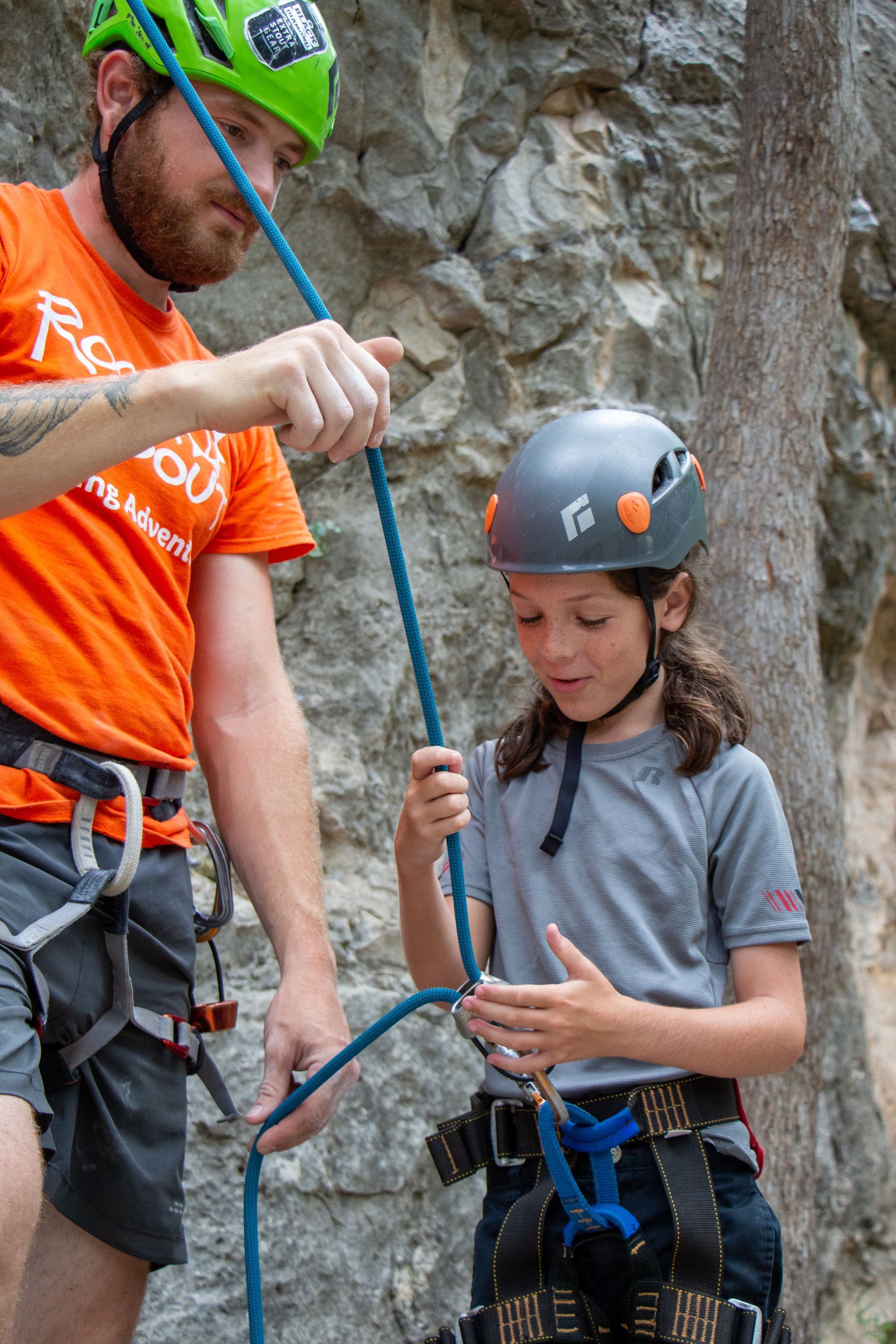
Without a doubt, fall is the best season for beginners to learn to climb in Texas. The comfortable temperatures and excellent rock conditions create a more forgiving and enjoyable learning environment. The low humidity means better friction, which helps build confidence in your footwork. Spring is a close second, but the potential for rain can sometimes disrupt plans. If you’re new to climbing, consider booking a beginner course with Rock-About during these seasons for the best possible first experience.
When Advanced Climbers Can Find the Best Conditions
For experienced climbers looking to push their limits and send hard projects, the peak conditions are found from late October through December. This is when the combination of low temperatures and low humidity creates the “sticky” rock that climbers dream of. The friction on both granite and limestone is at its absolute best, making those tiny, insecure holds feel solid. If your goal is to climb at your limit, this is the time to visit.
Booking Your Trip with Rock-About to Avoid the Crowds
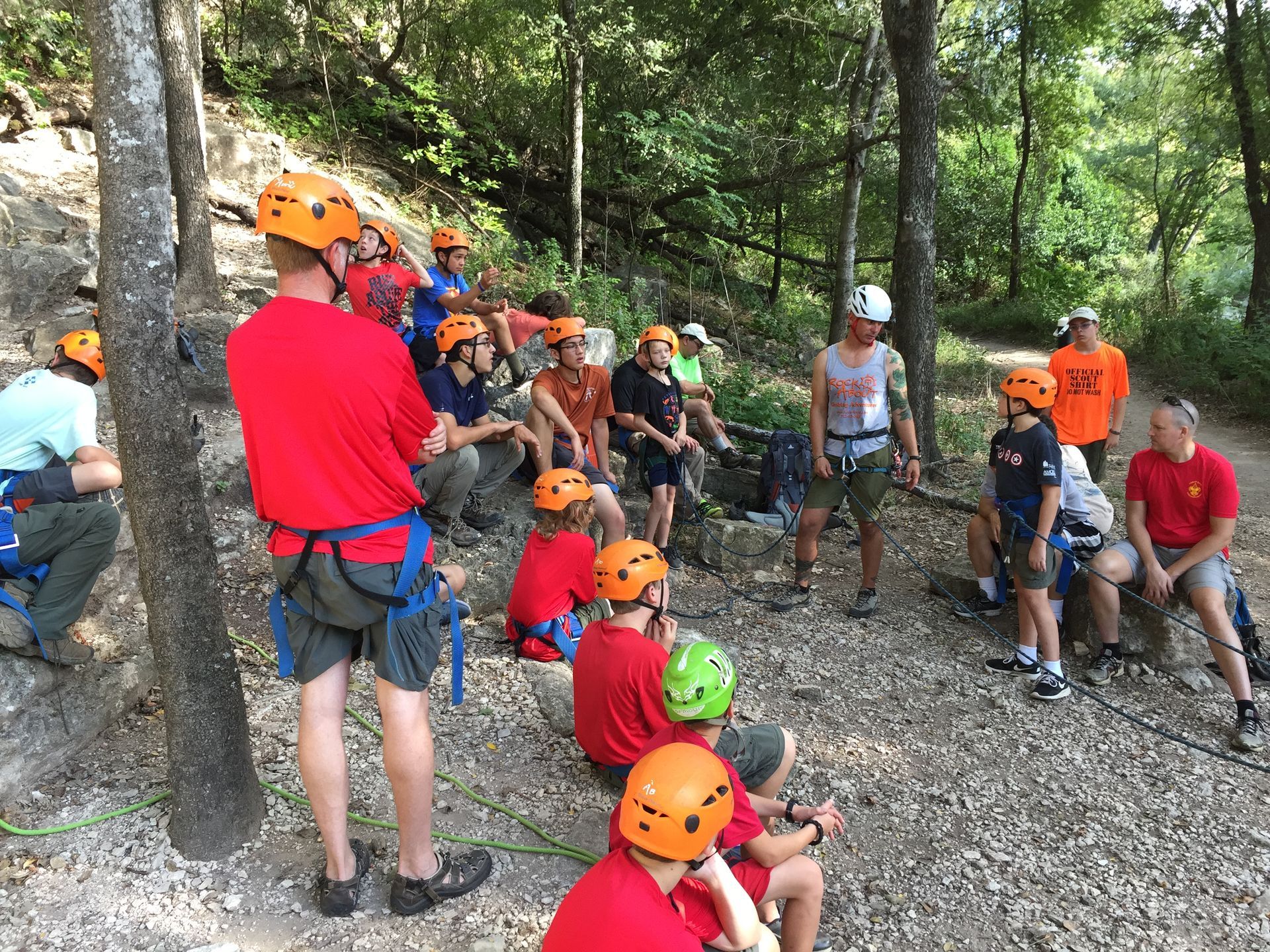
Peak seasons like fall and spring can bring crowds to popular crags, especially on weekends. One of the best ways to get the most out of your trip is to climb with a guide. Our guides at Rock-About know how to navigate the crowds, and we can often take you to less-trafficked areas that you might not find on your own. We also recommend booking your trips, especially for popular times like spring break and the fall holidays, well in advance to secure your spot.
What to Pack for Each Season
Knowing what to bring for your Texas climbing trip is just as important as knowing when to come. Here's what our guides recommend packing for each season:
Fall Climbing Essentials: The weather can be variable in the fall, so layers are key. Bring a light jacket or fleece for cool mornings, and plan to strip down to a t-shirt by midday. A chalk bag is essential, as the excellent friction means you'll be using your hands a lot. Don't forget sunscreen, as the sun can still be strong even on cooler days. For more detailed packing advice, check out our guide on what to wear for rock climbing in Texas.
Winter Climbing Essentials: Winter climbing requires more planning. Bring a warm puffy jacket or down vest for belaying, as you can get cold standing still even on sunny days. Gloves are essential for the approach and belay, but you'll likely want to climb without them once the rock warms up. Hand warmers can be a lifesaver on particularly cold mornings. A thermos of hot coffee or tea is a great addition to your pack.
Spring Climbing Essentials: Spring weather can be unpredictable, so be prepared for anything. Bring layers that you can add or remove as the temperature changes throughout the day. A lightweight rain jacket is a must, as spring showers can appear suddenly. If you're visiting during peak wildflower season, consider bringing a camera to capture the stunning scenery. Allergy sufferers should bring antihistamines, as pollen levels can be high.
Summer Climbing Essentials: Summer climbing is all about sun protection and hydration. Bring a wide-brimmed hat, high-SPF sunscreen, and plenty of water—more than you think you'll need. A cooling towel can be a game-changer for hot days. For deep water soloing trips, bring a swimsuit, water shoes, and a dry bag for your valuables. Consider bringing electrolyte supplements to replace what you lose through sweat.
Frequently Asked Questions (FAQs)
What is the best month to climb in Texas?
October and November are widely considered the best months for climbing in Texas due to the cool, dry weather and optimal rock friction. March and April are also excellent.
Can you climb year-round in Texas?
Yes, you can climb year-round in Texas with proper planning. Fall and spring are ideal, winter offers great midday climbing, and summer requires early morning starts to avoid the heat.
When is the rainy season for climbing in Texas?
The primary rainy season is in the spring (March-May), which can sometimes affect climbing plans. Brief showers can also occur in the early fall.
Is summer too hot for outdoor climbing in Texas?
Summer is extremely hot, with temperatures often exceeding 100°F. Climbing is generally limited to early mornings (before 10 AM) on shaded routes or deep-water soloing.
What is the best season for a beginner to start climbing in Texas?
Fall is the best season for beginners. The comfortable temperatures and excellent rock conditions create a more forgiving and enjoyable learning environment. A guided trip with Rock-About can make any season a great time to start.
How does weather affect climbing conditions in Texas?
Weather is critical. High humidity, common in summer, reduces rock friction and makes holds feel slippery. The cool, dry air of fall provides the best friction for optimal performance.
What is the best time to climb Enchanted Rock?
Fall (October-November) and spring (March-April) are the best times to climb Enchanted Rock. The granite dome can become extremely hot in summer, making it uncomfortable and potentially dangerous.
Is there good climbing in Texas?
Yes, Texas offers excellent climbing opportunities, from the pink granite domes of Enchanted Rock to the shaded limestone walls of Reimers Ranch. The state provides a variety of climbing styles and difficulty levels for all skill levels.
What's the hottest month for climbing in Texas?
July and August are the hottest months, with temperatures regularly exceeding 100°F and high humidity. Outdoor climbing during these months is best limited to early morning hours.
When should I avoid climbing in Texas?
Midday in summer (June-August) should be avoided due to extreme heat. Late spring can also be challenging due to increased rainfall and thunderstorm activity.
Start Your Texas Climbing Adventure with Rock-About
Ready to experience Texas climbing at its best? Now that you know the best time of year to climb in Texas, it's time to start planning your adventure. Rock-About's certified guides know exactly when and where to climb for optimal conditions, whether you're a first-time climber or a seasoned veteran. Browse our
guided climbing tours and
beginner courses to start your adventure today.