Exploring the Austin Greenbelt: Your Complete Guide to Climbing Seismic and Gus Fruh
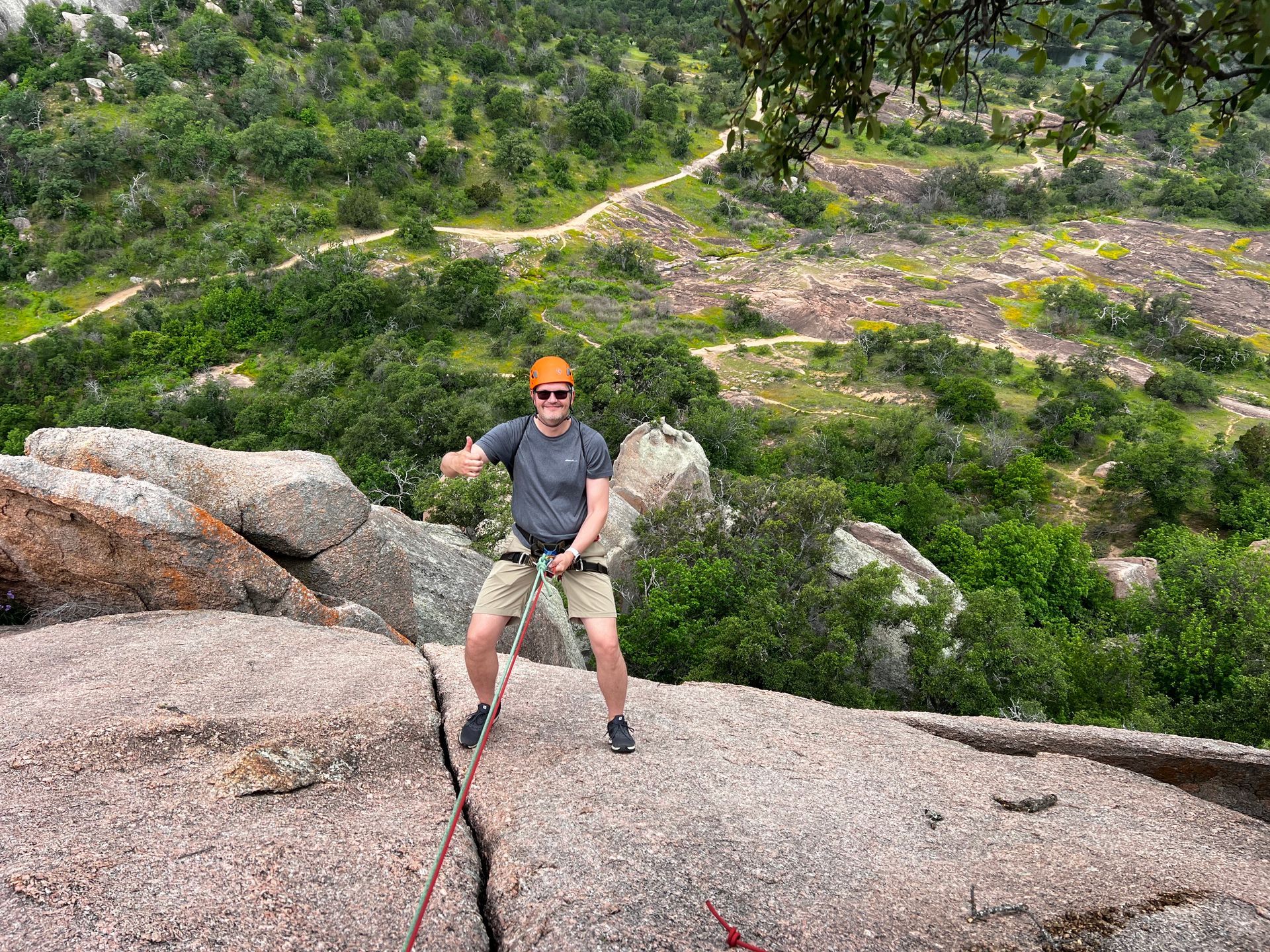
Reimers Ranch as a Texas Climbing Landmark
The Barton Creek Greenbelt is one of Austin’s most beloved outdoor destinations — a place where limestone cliffs, clear creek waters, and shaded trails meet. For climbers, it’s a rare urban escape where you can scale rock faces like Seismic Wall and Gus Fruh within minutes of downtown Austin.
This guide will help you plan your visit, find the best climbing routes, and make the most of your Greenbelt adventure.

What Makes the Austin Greenbelt a Climber’s Paradise
Overview of Barton Creek Greenbelt
Stretching over 12 miles through South Austin, the Barton Creek Greenbelt is a haven for outdoor enthusiasts. Managed by the City of Austin and Texas Parks & Wildlife, it features multiple access points leading to climbing routes, swimming holes, and hiking trails.
The Greenbelt’s unique limestone formations make it one of Texas’s top climbing destinations, attracting both beginners and experienced climbers.
A Brief Look at Its Geology
The Greenbelt’s cliffs are composed of hard Edwards limestone, ideal for sport climbing and bouldering. Water erosion over centuries carved the canyon walls, creating routes with pockets, ledges, and overhangs. During wet seasons, the creek fills with water, offering scenic pools and occasional waterfalls.
When to Visit
The best climbing conditions are in spring and fall, when temperatures are mild and the humidity is low. Summer can be hot, so early morning climbs are best. After heavy rain, some areas may be slick or closed, so always check trail conditions before heading out.

Getting to Seismic Wall and Gus Fruh
Seismic Wall: The Heart of Austin’s Climbing Scene
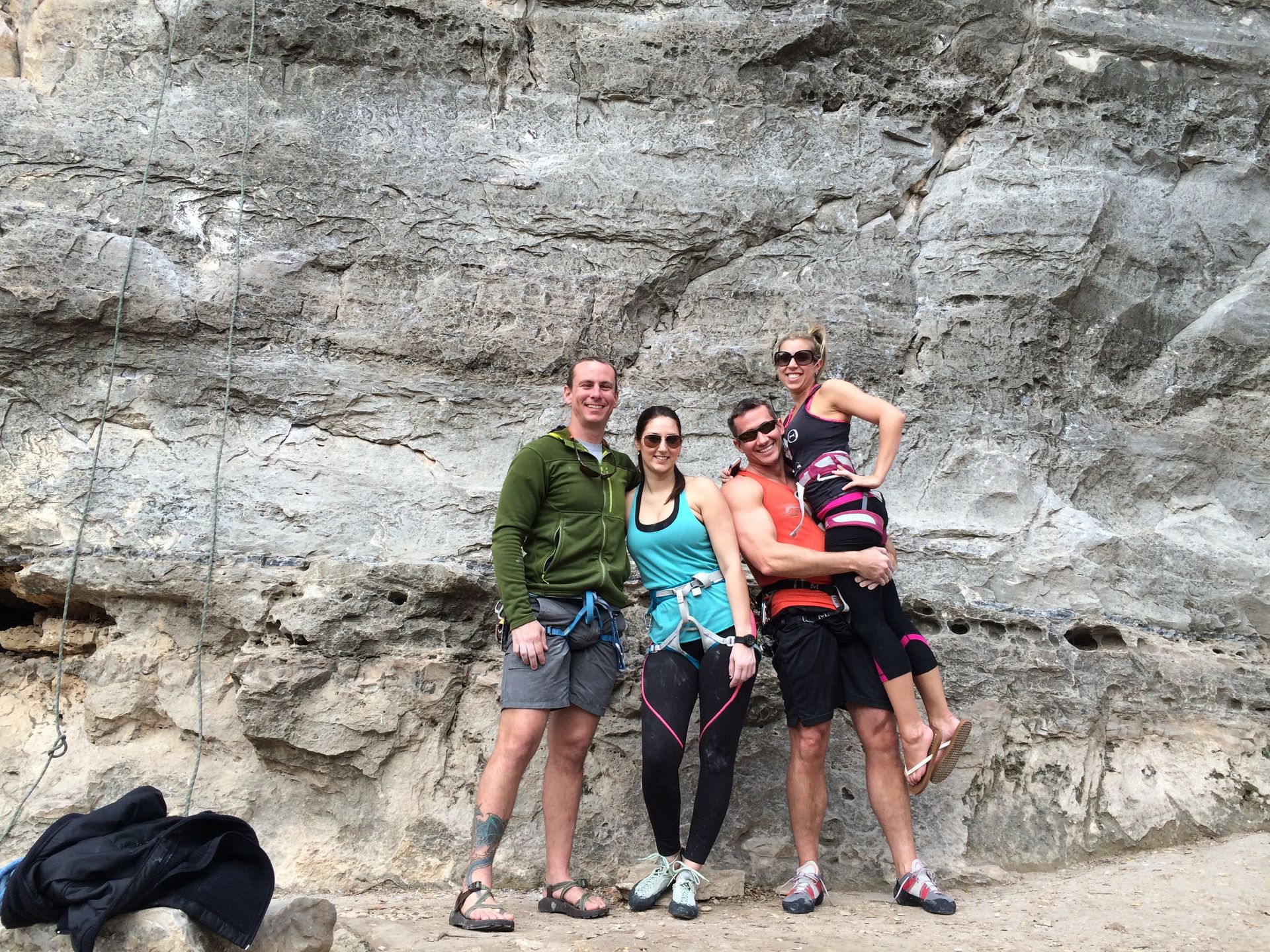
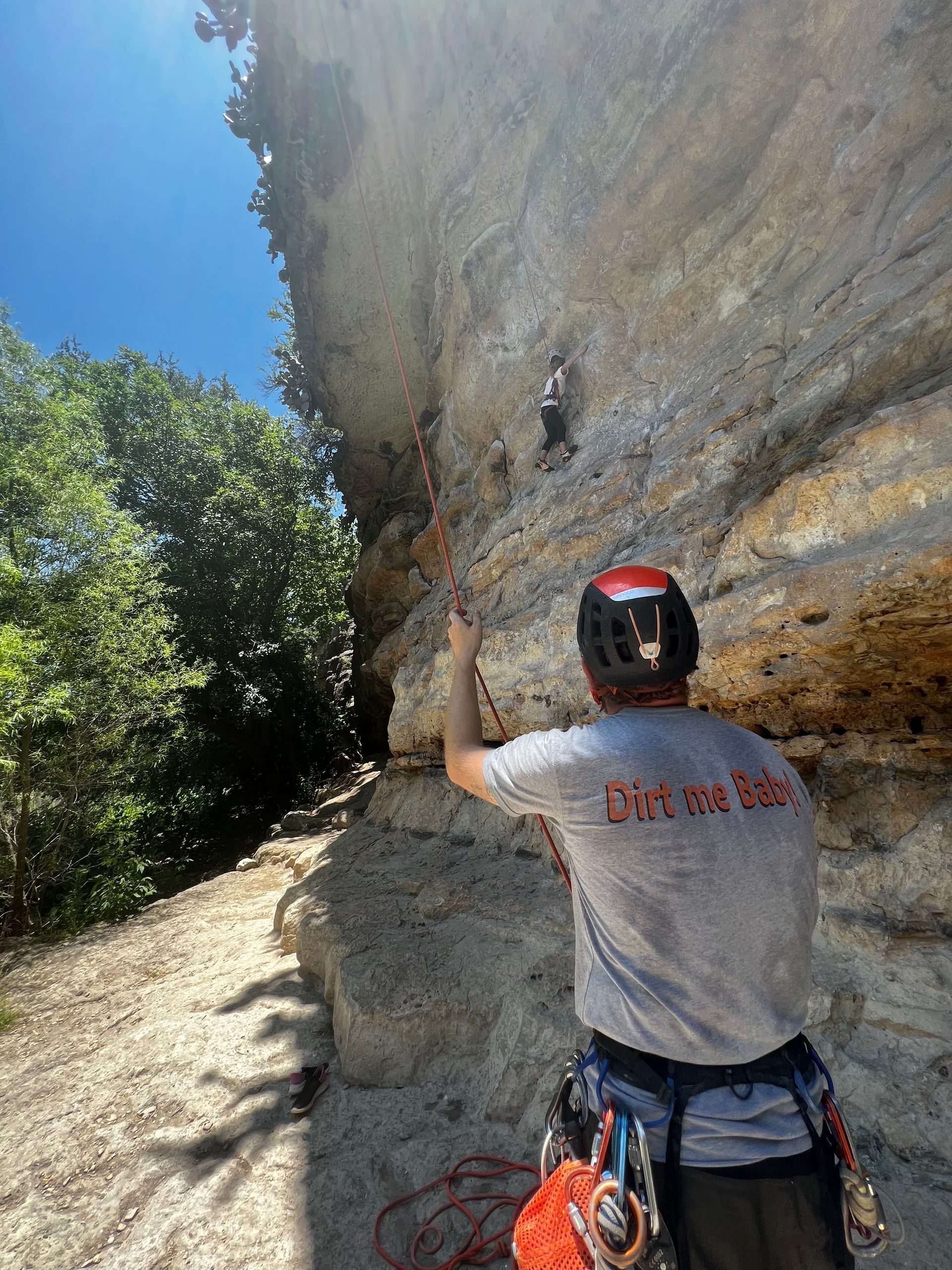
Seismic Wall is the most popular climbing area in the Barton Creek Greenbelt. Located near the Spyglass Drive access point, it’s easily reachable via a short hike from the parking area.
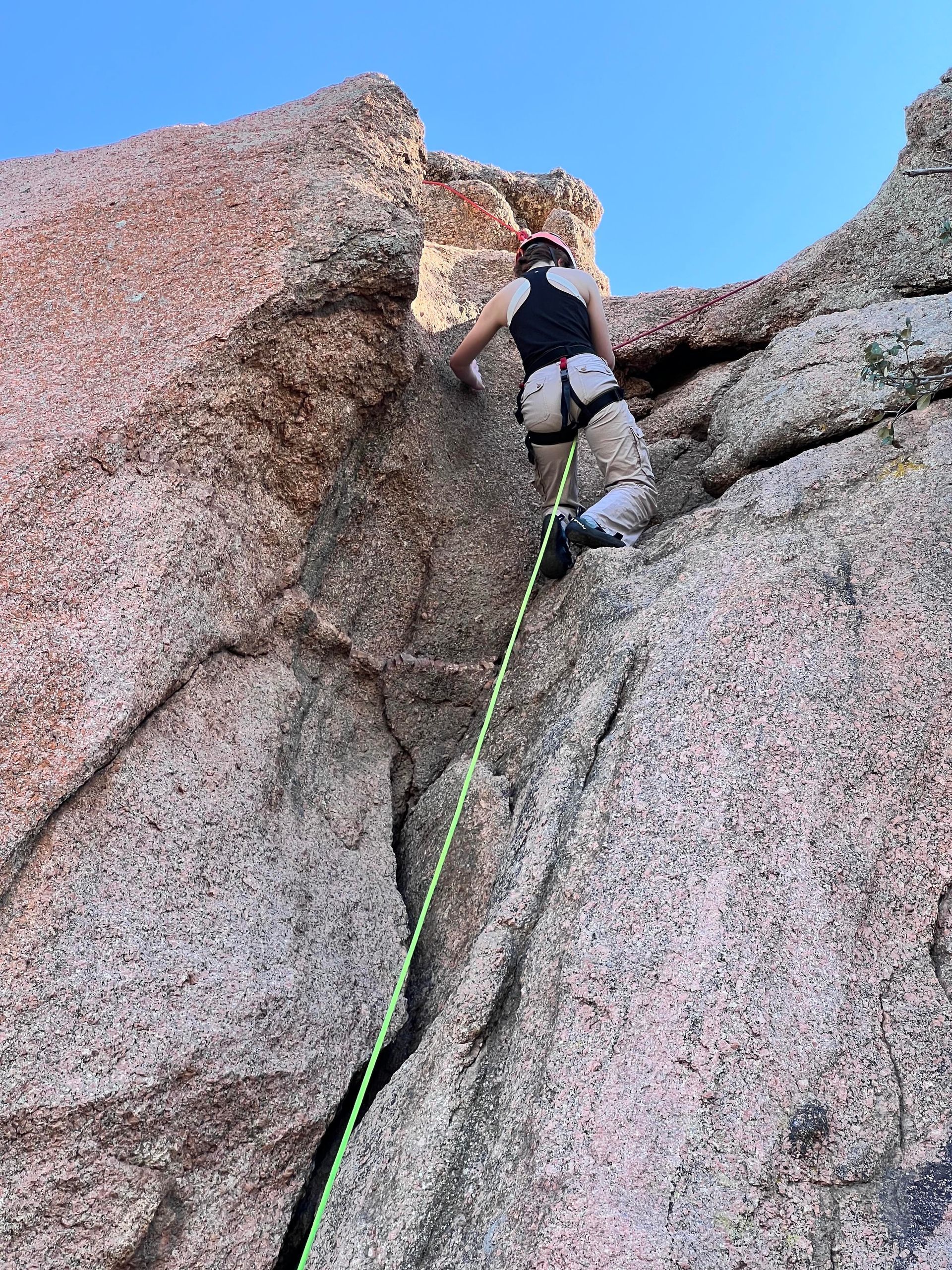
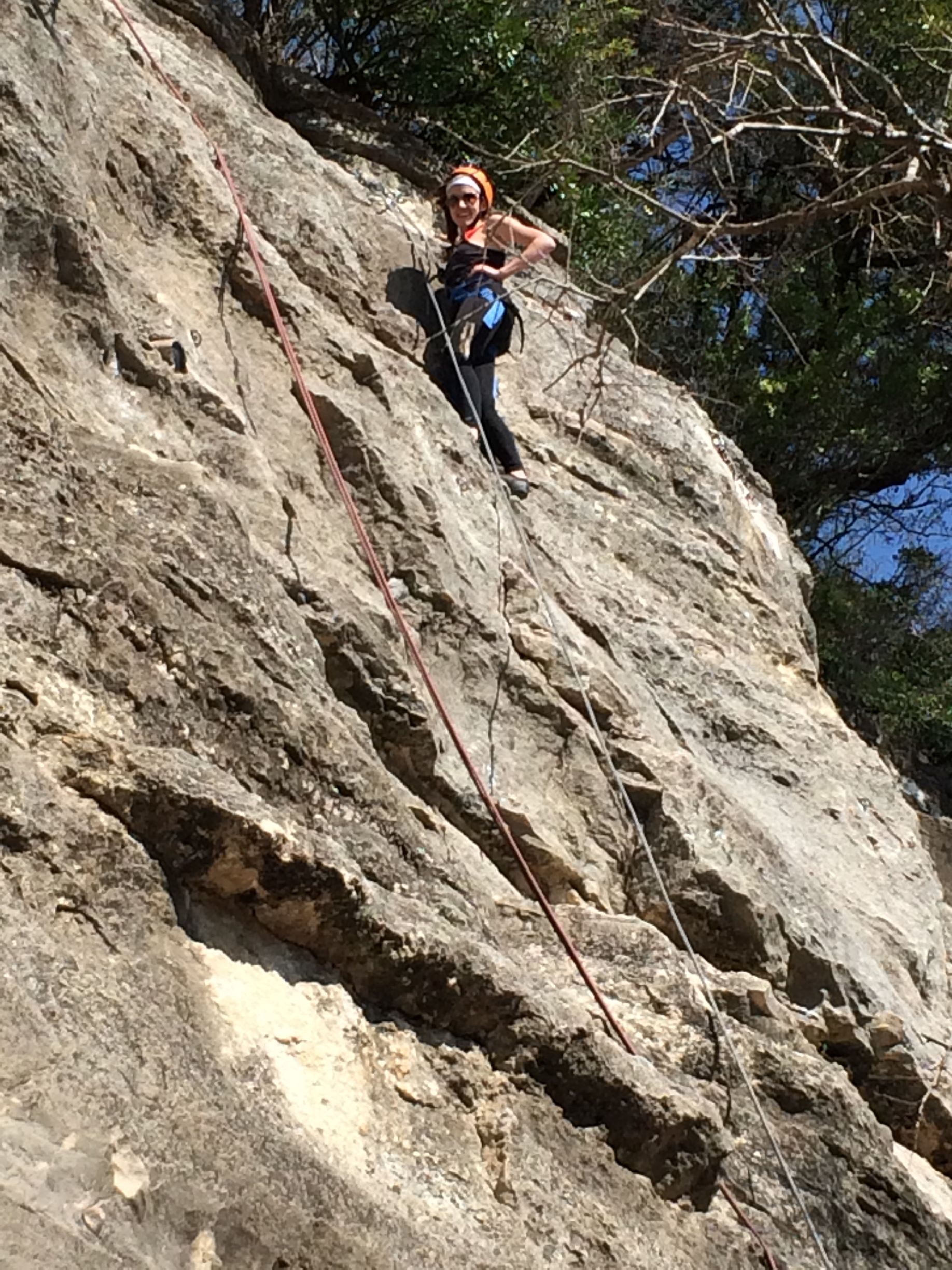
Routes here range from 5.8 to 5.12, offering challenges for a variety of skill levels. The wall’s vertical limestone face and shaded base make it ideal for year-round climbing. Beginners can practice on the easier lines, while advanced climbers can test their strength on overhung routes.
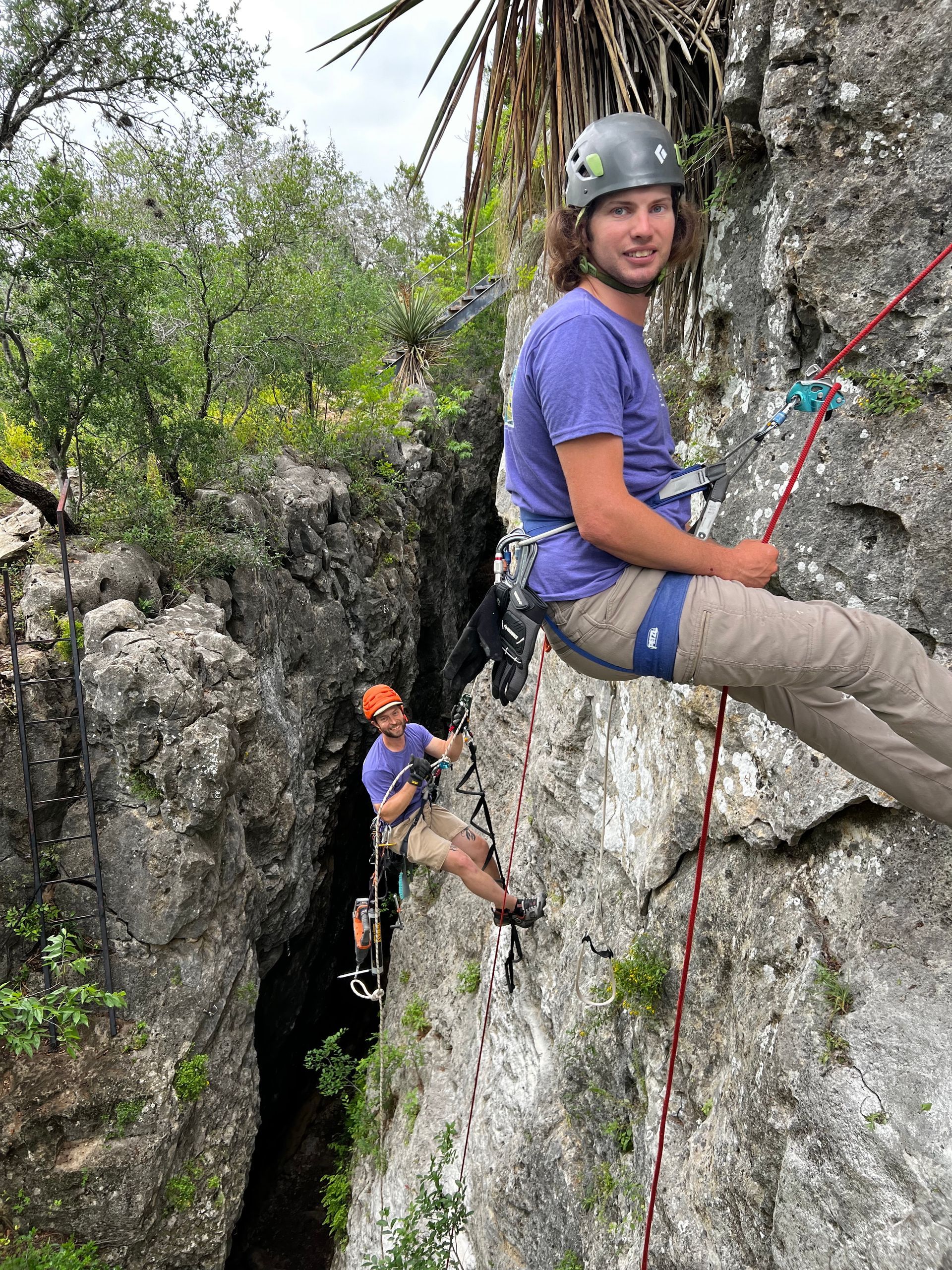
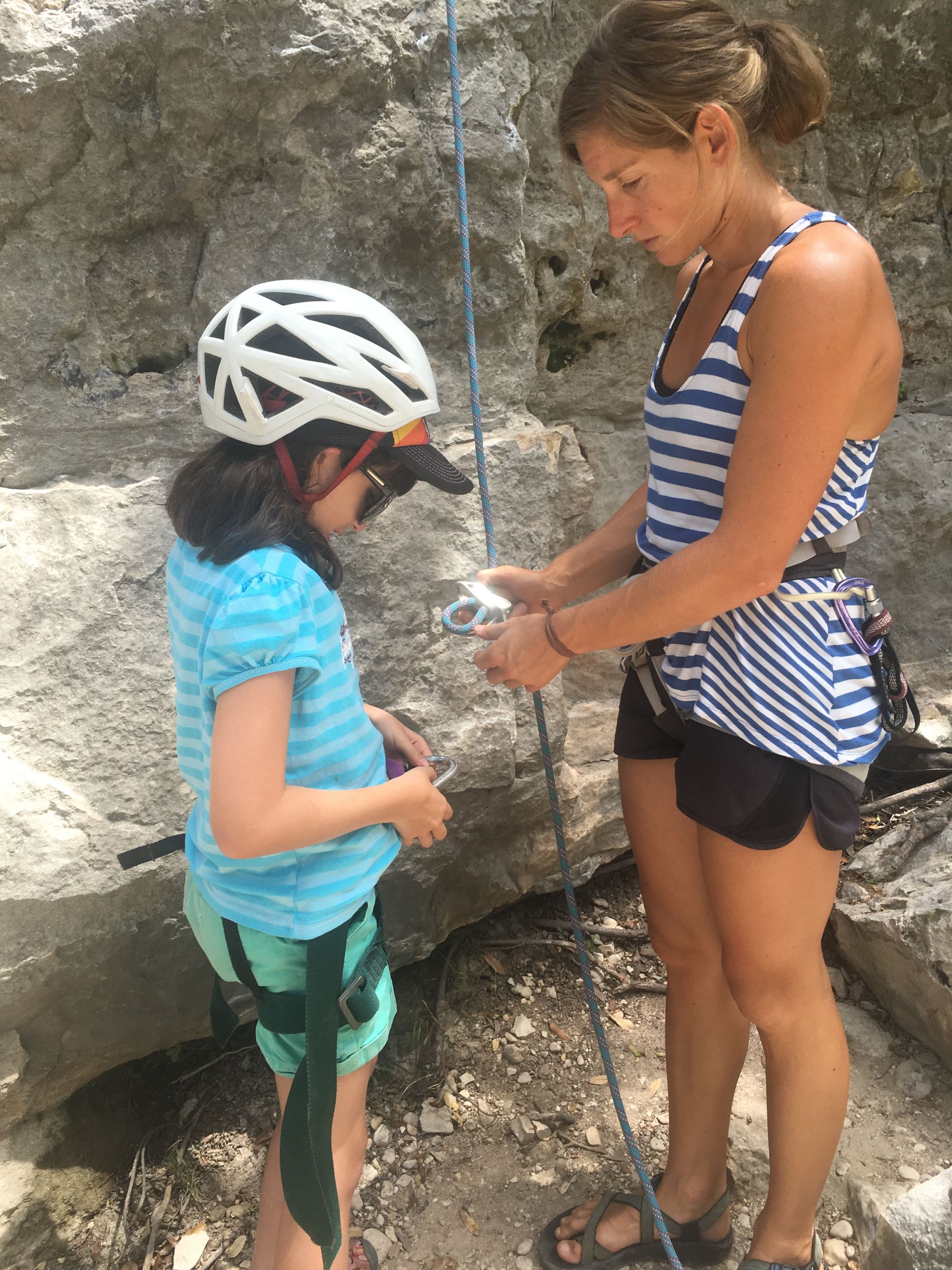
Local climbing guides such as Rock-About Climbing Adventures often run courses here, making it a great place to learn or refine your skills.
Gus Fruh: A Shaded Gem Along the Greenbelt
Located off Barton Hills Drive, Gus Fruh is known for its peaceful setting and mix of bouldering and climbing routes. The approach is slightly longer but rewards you with shaded cliffs and a swimming hole nearby.
Routes at Gus Fruh tend to be shorter and more technical, making it ideal for those who prefer problem-solving on rock rather than endurance climbs. The area stays cooler during hot months, and its natural pools provide a refreshing break between climbs.
Gear and Safety Tips for Greenbelt Climbers
Climbing in the Greenbelt requires preparation. The limestone can be slick after rain, and conditions vary with the season.
Recommended Gear Checklist:
- Climbing shoes
- Harness and belay device
- Helmet (recommended)
- Chalk bag
- 40–60m rope and quickdraws for sport routes
- Plenty of water and sun protection
Climbing Ethics and Leave-No-Trace Principles:
Respect the local climbing community and the environment. Stick to established trails, avoid damaging vegetation, and pack out all trash. The area’s popularity means shared responsibility for its preservation.
Safety Tips:
- Check recent weather and trail updates before visiting.
- Avoid climbing after heavy rain when the limestone is brittle.
- Watch for poison ivy and uneven terrain near the base of routes.

Beyond the Climb – Swimming, Hiking, and Exploring Nearby
The Barton Creek Greenbelt is more than a climbing destination — it’s a full-day outdoor experience. Between climbs, you can explore the creek’s swimming holes, hike scenic trails, or simply relax in the shade.
Trail Connections and Water Spots:
The main Greenbelt trail connects several access points, including Twin Falls, Campbell’s Hole, and Sculpture Falls — all offering great spots to cool off.
Local Wildlife and Views:
Keep an eye out for turtles, herons, and even the occasional deer. Early morning visits reward you with quiet trails and golden light reflecting off the cliffs.
Picnic and Rest Areas:
Bring snacks or lunch, as amenities are limited. Many climbers rest by the creek before continuing to the next route.
Planning Your Visit
Parking and Access Points:
- Seismic Wall: Access from Spyglass Drive or Loop 360 Trailhead.
- Gus Fruh: Enter via Barton Hills Drive. Parking is limited, so arrive early.
Nearby Coffee Shops and Food:
After your climb, grab a coffee at
Radio Coffee & Beer or enjoy tacos from
Torchy’s near Spyglass Drive.
Local Guides:
If you’re new to outdoor climbing, consider hiring a certified guide from
Rock-About Climbing Adventures or visiting
Crux Climbing Center for indoor training before heading outdoors.
FAQs About Climbing the Austin Greenbelt
How do I get to Gus Fruh Greenbelt?
Take Barton Hills Drive until you reach the trailhead entrance. Follow the marked path for about half a mile to reach the climbing area.
Can you swim at Gus Fruh?
Yes. When Barton Creek is flowing, the Gus Fruh pool is a popular swimming hole.
Where do you park for Seismic Wall?
The most convenient parking is along Spyglass Drive, near Tacodeli. Arrive early, as spaces fill quickly.
How hard is the Seismic Wall climb?
Routes range from beginner-friendly 5.8s to advanced 5.12s, offering something for everyone.
Is Barton Creek Greenbelt free to access?
Yes, entry to the Greenbelt is free, though parking may be limited at some access points.
What are the best climbing routes in Austin?
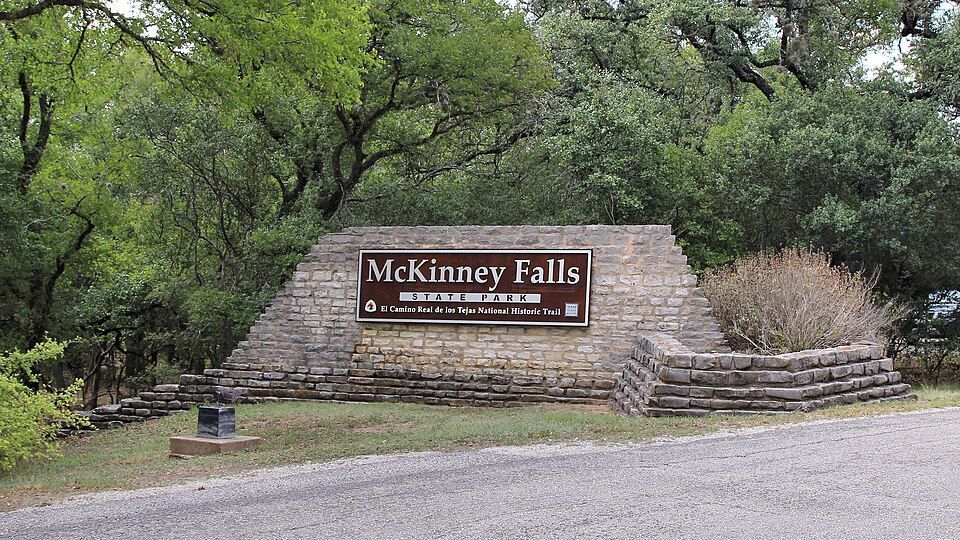
Beyond Seismic and Gus Fruh, check out Reimers Ranch and McKinney Falls State Park for more Texas limestone climbing.
What should I bring to climb the Greenbelt?
Pack your climbing gear, sturdy shoes, plenty of water, snacks, and sun protection.